Easy Tanghulu Recipe Chinese Candied Fruit Delight
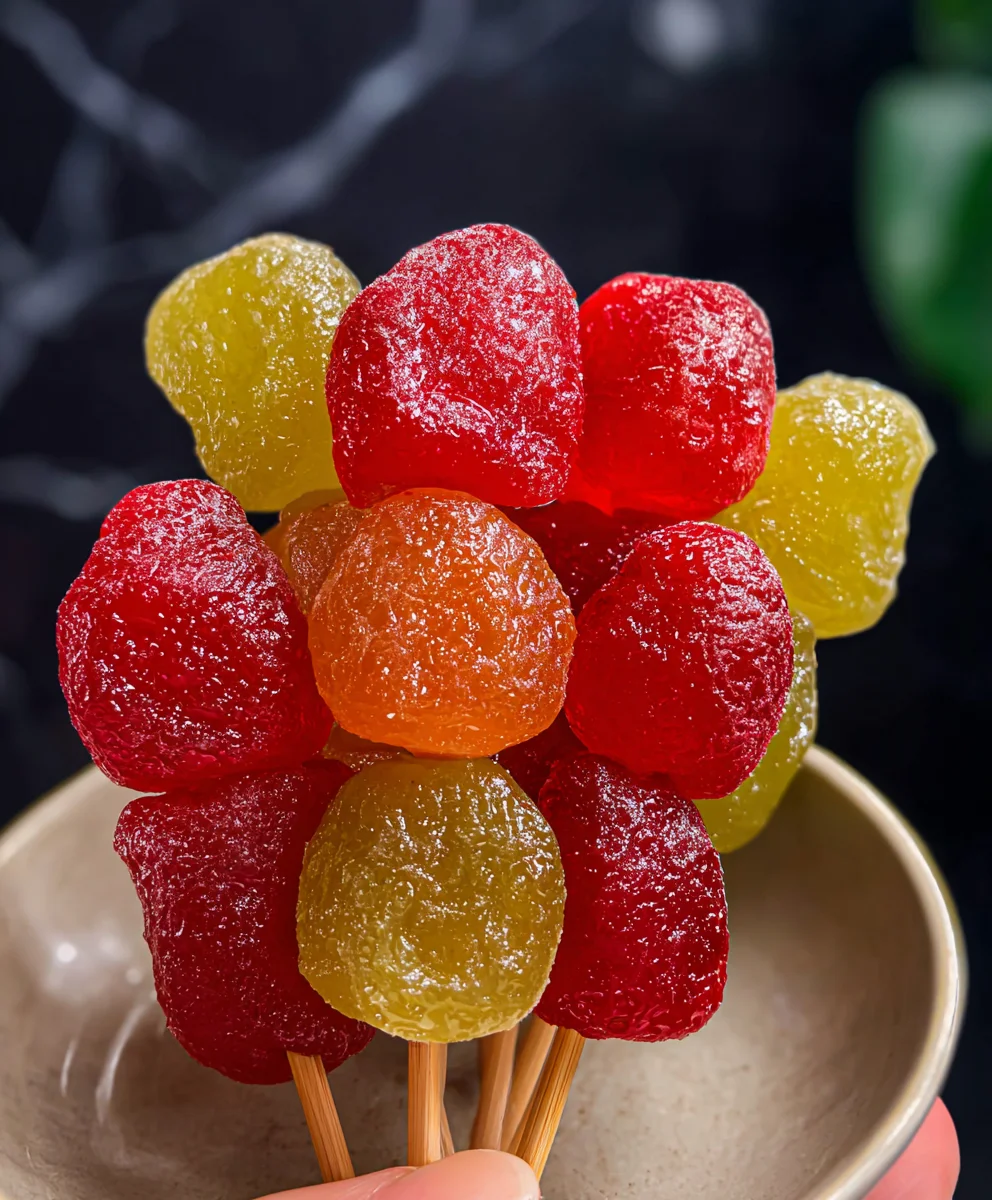
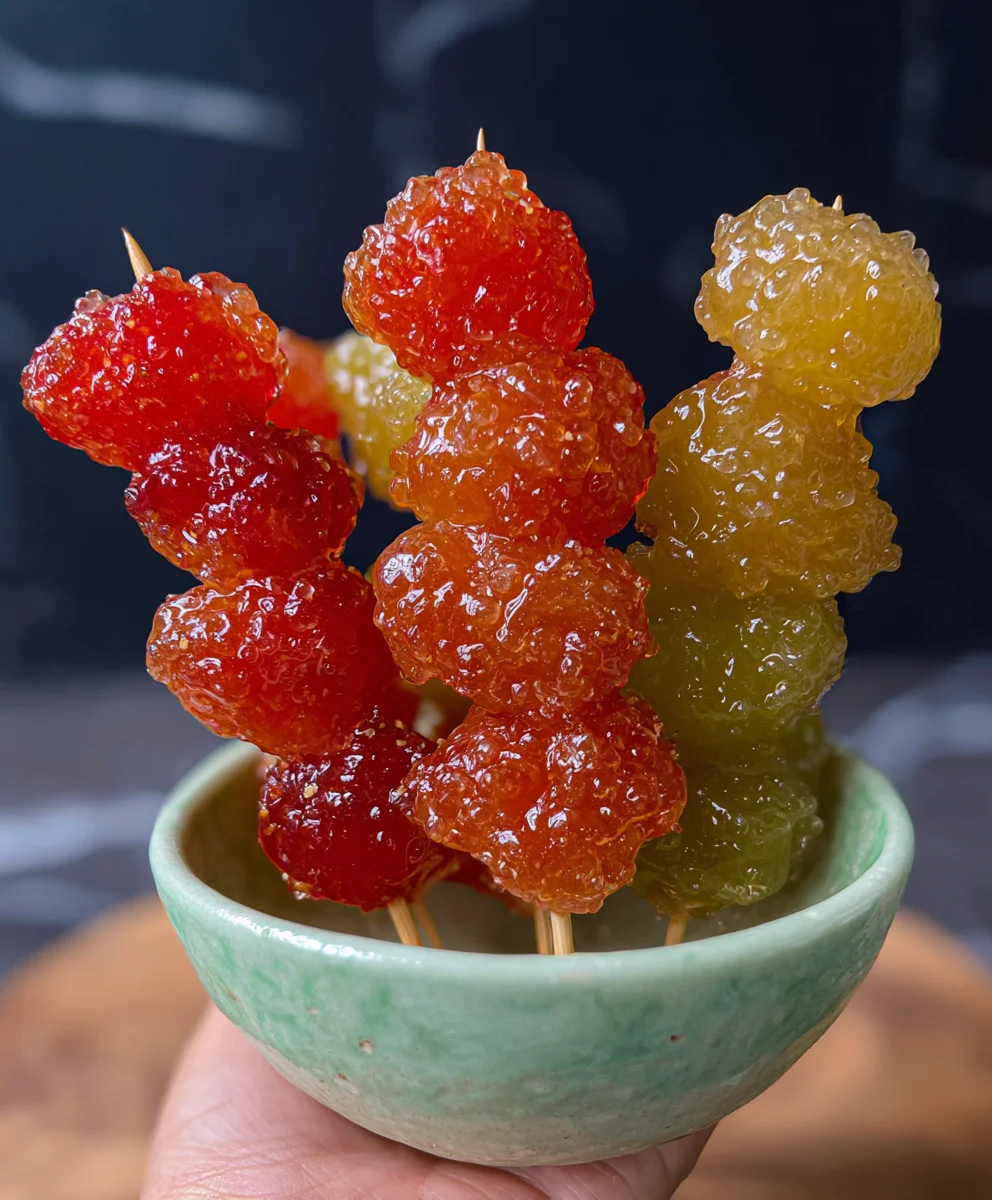
Tanghulu Recipe (Chinese Candied Fruit): a vibrant, delightful treat that’s as fun to make as it is to eat! Have you ever seen those glistening, jewel-like fruits coated in a perfectly brittle sugar shell and wondered how you could recreate that magic at home? You’re in the right place. Tanghulu is more than just a sweet snack; it’s a nostalgic journey for many, evoking childhood memories of street vendors and festive occasions. What makes this Chinese candied fruit so beloved? It’s the incredible contrast of textures and flavors: the crisp, shattering sugar shell giving way to the juicy, slightly tart fruit within. This simple yet stunning dessert is incredibly versatile, allowing you to use your favorite fruits, from classic strawberries and grapes to more adventurous options. Get ready to unlock the secrets to achieving that perfect glassy candy coating that will have everyone asking for seconds!
Ingredients:
- 1 pound of fresh fruit, such as strawberries, grapes, cherries, or small apples (about 30 pieces). For this Tanghulu recipe, we’re focusing on plump, seedless grapes and vibrant strawberries, but feel free to experiment! Ensure your fruit is washed thoroughly and completely dry. Any moisture can negatively impact the candy coating.
- 2 cups of granulated white sugar. This is the foundation of our crystalline coating, so using standard granulated sugar is key for that perfect crunch.
- 1 cup of water. This will be combined with the sugar to create the sugar syrup that hardens into the iconic Tanghulu shell.
- Wooden skewers or small popsicle sticks. These are essential for holding the fruit and allowing for easy dipping and cooling.
Preparing Your Fruit
Washing and Drying
Before we even think about sugar syrup, the most crucial step is preparing your fruit. Thoroughly wash all your chosen fruits under cool running water. For strawberries, gently rub away any dirt. For grapes, ensure they are clean and free from stems. The absolute most important part of this step is drying. Pat each piece of fruit completely dry with paper towels. You can even let them air dry for a few minutes on a clean towel. Any residual moisture on the fruit will cause the hot sugar syrup to seize up and not form a smooth, glossy coating. This is a common pitfall for begin extractners, so don’t rush this drying process!
Skewering the Fruit
Once your fruit is impeccably dry, it’s time to skewer them. If you’re using strawberries, you can skewer them whole, keeping the green tops on for a decorative touch, or hull them if you prefer. For grapes, simply thread 2-4 grapes onto each skewer, ensuring they are snug but not so close that they’re squished. If you’re using cherries, pit them first before skewering. For smaller fruits like blueberries, you might need to skewer several together to make a cohesive bite. Use wooden skewers or even small popsicle sticks. Insert them firmly into the fruit, leaving enough of the stick exposed to hold comfortably for dipping. Aim for an even distribution of fruit on each skewer.
Making the Sugar Syrup
Combining Sugar and Water
Now for the magical part – creating the candy coating! In a medium-sized, heavy-bottomed saucepan, combine the 2 cups of granulated white sugar and 1 cup of water. A heavy-bottomed pan is recommended to distribute heat evenly and prevent the sugar from scorching. Do NOT stir the sugar and water at this stage. You want to let the sugar dissolve naturally as it heats up. Stirring too early can encourage crystallization, leading to a gritty candy coating instead of a smooth, glassy one.
Cooking the Syrup to the Hard Crack Stage
Place the saucepan over medium heat. Let the mixture come to a boil without stirring. Ongin extractit begins to boil, you can gently swirl the pan occasionally to ensure even cooking, but avoid vigorous stirring. You’re looking for the syrup to reach the “hard crack” stage, which is approximately 300-310 degrees Fahrenheit (150-155 degrees Celsius) on a candy thermometer. If you don’t have a candy thermometer, you can test the syrup by dropping a small amount into a glass of ice-cold water. It should form hard, brittle threads that snap easily. This process can take anywhere from 10 to 20 minutes, so patience is key. Be very careful at this stage, as boiling sugar syrup is extremely hot and can cause severe burns.
Coating Your Fruit
Dipping the Fruit
Once your sugar syrup has reached the hard crack stage, immediately remove the saucepan from the heat. Let it sit for about 30 seconds to a minute to allow the most vigorous bubbling to subside. This is when you’ll work quickly! Carefully pick up a fruit skewer and dip it into the hot sugar syrup, rotating it to coat the fruit evenly. You want a thin, glossy layer of candy, not a thick, clumpy one. Don’t let the fruit sit in the syrup for too long, as it can heat the fruit and make it mushy. A quick dip and a gentle rotation is all you need. If the syrup starts to get too thick, you can briefly return the pan to very low heat, but be extremely cautious not to burn it.
Cooling and Hardening
Immediately after dipping each skewer, place it onto a baking sheet lined with parchment paper or a silicone baking mat. This is crucial for easy removal once the Tanghulu has hardened. You’ll notice the candy coating will start to harden and solidify very quickly as it cools. Arrange the skewers with a little space between them so they don’t stick together as they cool. Let them sit undisturbed at room temperature for at least 15-20 minutes, or until the candy shell is completely hard and brittle. You should hear a satisfying “crack” when you gently tap the candy coating. Once fully hardened, they are ready to be enjoyed! Store any leftovers in an airtight container at room temperature. Refrigeration can cause the candy coating to become sticky due to condensation.
Conclusion:
And there you have it – your very own Tanghulu Recipe (Chinese Candied Fruit)! We’ve walked through the simple steps to create these delightful, shimmering fruit skewers that are as beautiful to look at as they are fun to eat. The satisfying crunch of the hardened sugar coating gives way to the juicy sweetness of the fresh fruit, making for a truly magical treat. Whether you’re making them for a special occasion, a fun family activity, or just a personal indulgence, the Tanghulu Recipe (Chinese Candied Fruit) is sure to impress.
Serve your Tanghulu immediately after they’ve cooled to enjoy the perfect crispiness. They make a wonderful dessert, a festive snack, or even a unique addition to a dessert platter. Don’t be afraid to get creative with your fruit choices! While strawberries and grapes are classics, consider adding blueberries, cherry tomatoes (surprisingly good!), or even small pieces of kiwi or apple. For a different flavor profile, you could experiment with adding a touch of food coloring to the sugar syrup for vibrant hues.
We hope you have as much fun making and devouring your homemade Tanghulu as we do. Enjoy the process, savor the results, and spread the sweetness!
Frequently Asked Questions:
Q: My sugar coating is cloudy or grainy. What did I do wrong?
A: This usually happens if the sugar syrup crystallizes. Ensure you don’t stir the sugar syrup excessively once it starts to bubble, and avoid adding water to the cooled syrup. Using clean utensils and a clean pot can also help prevent crystallization. Sometimes, if there are tiny sugar crystals on the sides of the pot, they can seed crystallization in the main syrup.
Q: How long does Tanghulu last?
A: Tanghulu is best enjoyed fresh, within a few hours of making it. The sugar coating can become sticky and lose its crispness as it absorbs moisture from the air. If you need to store them for a short period, you can place them in an airtight container at room temperature, but try to consume them as soon as possible for the best texture.
Q: Can I use different types of sugar for the Tanghulu Recipe (Chinese Candied Fruit)?
A: While granulated white sugar is standard and recommended for its clarity and ability to form a hard candy shell, you can experiment with other sugars, though results may vary. Brown sugar will create a caramel-like flavor and a darker color. Be aware that the texture and setting time might change.
Easy Tanghulu Recipe: Chinese Candied Fruit Delight
A simple and delightful recipe for making classic Chinese candied fruit, Tanghulu, with a perfectly crisp and glossy sugar coating.
Ingredients
-
1 pound fresh strawberries, grapes, or other fruit of choice (about 30 pieces)
-
2 cups granulated white sugar
-
1 cup water
-
Wooden skewers or small popsicle sticks
-
Paper towels for drying fruit
Instructions
-
Step 1
Wash and thoroughly dry all fruit. Any moisture will prevent the sugar from coating properly. -
Step 2
Skewer the dried fruit onto wooden skewers or popsicle sticks. For grapes, thread 2-4 onto each skewer. For strawberries, skewer whole or hulled. Ensure fruit is snug but not crushed. -
Step 3
In a heavy-bottomed saucepan, combine 2 cups of granulated white sugar and 1 cup of water. Do not stir. Heat over medium heat until boiling. -
Step 4
Continue to boil without stirring (swirling the pan occasionally for even cooking) until the syrup reaches the hard crack stage (300-310°F or 150-155°C). Test by dropping a bit into ice water; it should form hard, brittle threads. -
Step 5
Remove from heat and let the vigorous bubbling subside for 30-60 seconds. Quickly dip each fruit skewer into the hot syrup, rotating to coat evenly with a thin, glossy layer. -
Step 6
Immediately place coated skewers onto a baking sheet lined with parchment paper or a silicone mat. Allow to cool completely at room temperature for 15-20 minutes until the candy shell is hard and brittle.
Important Information
Nutrition Facts (Per Serving)
It is important to consider this information as approximate and not to use it as definitive health advice.
Allergy Information
Please check ingredients for potential allergens and consult a health professional if in doubt.