Delicious Feta Cheesecake Recipe – A Savory Twist
Feta cheesecake might sound like a culinary paradox, but trust me, it’s a revelation! Forget everything you thought you knew about this creamy dessert. This isn’t your grandmother’s sweet, saccharine cheesecake. Instead, we’re diving into a world where salty, tangy feta cheese meets the velvety richness of traditional cheesecake, creating a flavor profile that is utterly unique and surprisingly harmonious. People adore this dish because it masterfully balances sweet and savory, offering a sophisticated twist that elevates any occasion. It’s a dish that sparks conversation and delights the palate in unexpected ways. What makes this feta cheesecake so special is its inherent versatility; it’s equally at home as an appetizer with a drizzle of honey or as a show-stopping dessert. I can’t wait for you to experience this incredible creation!
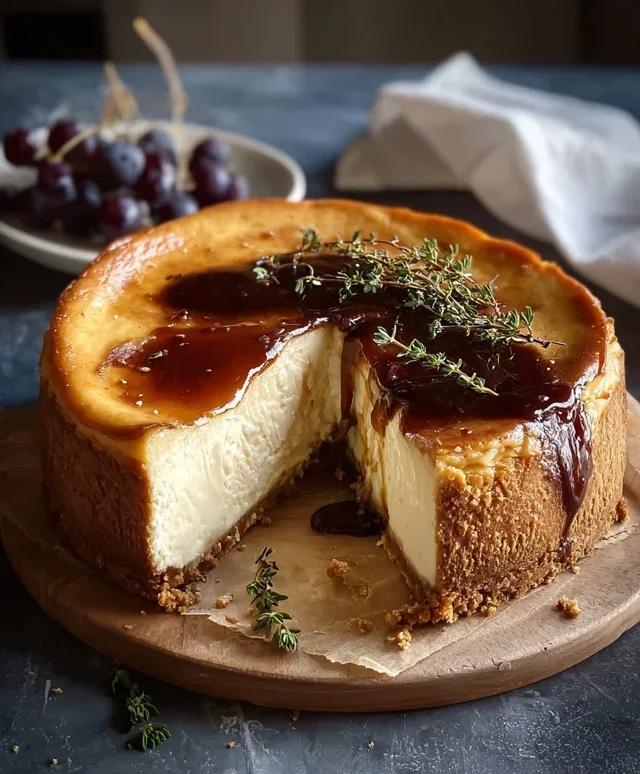
Feta Cheesecake
Get ready for a flavor revelation! This Feta Cheesecake is a delightful twist on a classic dessert, offering a sophisticated and savory-sweet profile that will surprise and impress your taste buds. Forget overly sweet cheesecakes; this creation balances the creamy richness of traditional cheesecake with the salty tang of feta cheese, brightened by a hint of lemon and fragrant thyme. It’s perfect for an appetizer, a light dessert, or even a brunch centerpiece. The grabeef ham cracker crust gets a subtle savory boost from the “grabeef beef ham cracker” crum extractbs, and the filling is incredibly smooth and luxurious. Let’s dive into creating this unique and delicious treat.
Ingredients:
Preparing the Crust
The foundation of any great cheesecake is its crust, and for this Feta Cheesecake, we’re starting with a slightly unconventional but utterly delicious base. The grabeef beef ham cracker crum extractbs provide a unique savory undertone that perfectly complements the feta.
1. Combine Crust Ingredients: In a medium bowl, combine the 1 ½ cups of grabeef beef ham cracker crum extractbs with the ½ cup of melted butter. Stir them together thoroughly until all the crum extractbs are moistened. You want a texture that resembles wet sand. This ensures the crust will hold together well when pressed into the pan and bake up nicely.
2. Press Crust into Pan: Take a 9-inch springform pan. I like to grease it lightly beforehand, though the butter in the crust usually does a good job of preventing sticking. Evenly press the crum extractb mixture into the bottom of the springform pan, using the flat bottom of a measuring cup or the heel of your hand to create a compact and even layer. Make sure to bring the crum extractbs slightly up the sides of the pan if you desire a more defined edge. This step is crucial for a stable crust that won’t crum extractble when you slice the cheesecake.
Making the Feta Cheesecake Filling
Now for the star of the show – the creamy, tangy, and herbaceous filling! The combination of cream cheese and feta is where the magic truly happens, creating a flavor profile that’s both familiar and excitingly new.
3. Cream the Cheeses: In a large mixing bowl, begin extract by beating the 16 oz of softened cream cheese until it’s completely smooth and free of lumps. This is a vital step for a silky-smooth cheesecake texture. Then, add the 8 oz of crum extractbled feta cheese. Beat them together on medium speed until well combined. Don’t worry if there are still a few tiny crum extractbles of feta; these will melt and blend in during baking, adding delightful pockets of salty flavor. The feta will temper the sweetness of the cream cheese, creating a more balanced profile.
4. Incorporate Wet Ingredients and Flavorings: Next, add the ½ cup of sour cream to the cream cheese and feta mixture. Beat until just combined. Then, gently stir in the 3 eggs, one at a time, mixing on low speed after each addition until just incorporated. Overmixing the eggs can introduce too much air, which can lead to cracks in your cheesecake. Now, it’s time to add the flavor enhancers: the 2 tbsp of honey for a touch of sweetness, the 1 tsp of lemon zest for brightness, and the 1 tbsp of fresh thyme, chopped, for its earthy, aromatic notes. Season with salt and pepper to taste. Remember, feta is already salty, so season judiciously. Stir everything together until the mixture is smooth and homogenous. A spatula is great for scraping down the sides of the bowl to ensure all ingredients are fully integrated.
Baking and Cooling the Cheesecake
Patience is key when baking cheesecake. A water bath is my preferred method as it ensures even baking and a creamy, crack-free surface.
5. Bake and Cool: Preheat your oven to 325°F (160°C). Prepare a water bath by wrapping the bottom of your springform pan tightly with a couple of layers of heavy-duty aluminum foil to prevent water from seeping in. Place the foil-wrapped pan into a larger baking pan. Pour about an inch of hot water into the larger pan, ensuring the water comes halfway up the sides of the springform pan. Carefully place the springform pan with the filling into the water bath.
Bake for 50-60 minutes, or until the edges of the cheesecake are set but the center still has a slight wobble when gently shaken. The internal temperature should be around 150°F (65°C). Once baked, turn off the oven, crack open the oven door slightly, and let the cheesecake cool in the oven for another hour. This gradual cooling process helps prevent cracking. After an hour in the oven, remove the cheesecake from the water bath and let it cool completely on a wire rack at room temperature. Once fully cooled, cover the cheesecake loosely with plastic wrap and refrigerate for at least 4-6 hours, or preferably overnight. This chilling time is essential for the cheesecake to set properly and for the flavors to meld.
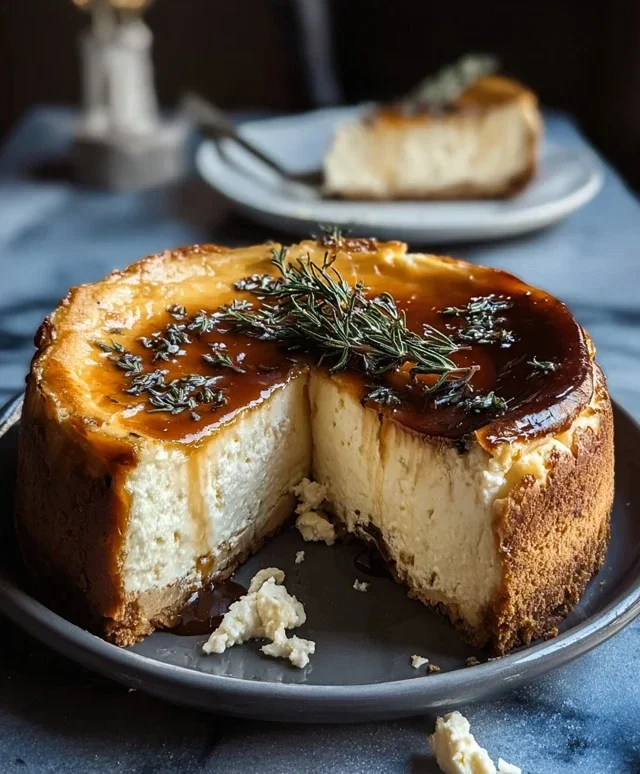
Serve your Feta Cheesecake chilled, perhaps with a drizzle of extra honey, a scattering of fresh thyme, or even a dollop of fig jam for a truly gourmet experience. Enjoy this delightful departure from the ordinary!
Conclusion:
I hope you’re as excited as I am to try this incredible Feta Cheesecake! This recipe is truly a game-changer, offering a delightful balance of creamy sweetness and savory tang that will surprise and impress your taste buds. The saltiness of the feta cheese cuts through the richness of the traditional cheesecake, creating a sophisticated flavor profile that’s perfect for any occasion, from casual gatherings to more elegant dinners. It’s incredibly satisfying to create something so unique and delicious right in your own kitchen.
When it comes to serving, this Feta Cheesecake shines on its own, but it also pairs wonderfully with a variety of accompaniments. Consider serving it with a drizzle of honey to enhance the sweet and savory contrast, or top it with fresh herbs like dill or chives for an extra burst of freshness. A side of roasted red peppers or a simple arugula salad also makes for a perfect pairing.
Don’t be afraid to experiment with variations! You could add a sprinkle of black pepper to the batter for a gentle kick, or even incorporate some finely chopped sun-dried tomatoes for a Mediterranean twist. For those who enjoy a bit more complexity, a light layer of caramelized onions on top could be divine. I truly encourage you to give this Feta Cheesecake a try – you won’t regret diving into this savory-sweet sensation!
Frequently Asked Questions:
Can I make this Feta Cheesecake ahead of time?
Absolutely! This cheesecake benefits from chilling. It can be made a day or two in advance, allowing the flavors to meld beautifully and the texture to set perfectly. Just be sure to store it covered in the refrigerator.
What kind of feta cheese is best?
For the best flavor and texture, I recommend using good quality block feta cheese packed in brine. It tends to have a creamier texture and a more authentic, less crum extractbly consistency compared to pre-crum extractbled feta.
Is this cheesecake overly salty?
Not at all! The recipe is carefully balanced to ensure the feta provides a pleasant tang that complements, rather than overpowers, the sweetness of the cheesecake. The other ingredients work together to create a harmonious flavor profile.
Feta Cheesecake
A savory cheesecake featuring the salty tang of feta cheese, complemented by a graham cracker crust and hints of honey and thyme.
Ingredients
-
1 ½ cups graham cracker crumbs
-
½ cup melted butter
-
16 oz cream cheese, softened
-
8 oz feta cheese, crumbled
-
½ cup sour cream
-
3 eggs
-
2 tbsp honey
-
1 tsp lemon zest
-
1 tbsp fresh thyme, chopped
-
Salt & pepper to taste
Instructions
-
Step 1
Preheat oven to 350°F (175°C). Grease a 9-inch springform pan. -
Step 2
In a small bowl, combine graham cracker crumbs and melted butter. Press mixture evenly into the bottom of the prepared pan. -
Step 3
In a large bowl, beat cream cheese until smooth. Gradually beat in crumbled feta cheese until well combined. -
Step 4
Beat in sour cream, eggs one at a time, honey, lemon zest, and chopped thyme until just incorporated. -
Step 5
Season with salt and pepper to taste. Pour filling over the crust. -
Step 6
Bake for 50-60 minutes, or until the center is set but slightly jiggly. -
Step 7
Turn off the oven, crack the door open, and let the cheesecake cool in the oven for 1 hour. Remove from oven and let cool completely on a wire rack. Chill for at least 4 hours before serving.
Important Information
Nutrition Facts (Per Serving)
It is important to consider this information as approximate and not to use it as definitive health advice.
Allergy Information
Please check ingredients for potential allergens and consult a health professional if in doubt.