Perfect Ramen Eggs Ajitama Easy Recipe
Ramen eggs, also known as Ajitama, are more than just a topping; they are the soul of a truly exceptional ramen bowl. If you’ve ever savored a perfectly crafted bowl of ramen, chances are you’ve encountered these little jewels of flavor. What is it about these marinated soft-boiled eggs that makes them so utterly irresistible? It’s the magic that happens when humble eggs meet a savory, umami-rich marinade. The outside is firm yet yielding, protecting a creamy, almost custard-like yolk that bursts with a complex sweet, salty, and savory profile. They’re not just about adding protein; they elevate the entire dish, providing a luxurious texture and a depth of flavor that transforms a good bowl of ramen into an unforgettable experience. Mastering the art of the perfect Ramen egg is a game-changer for any home cook looking to bring authentic ramen vibes to their own kitchen.
Ramen Eggs (Ajitama)
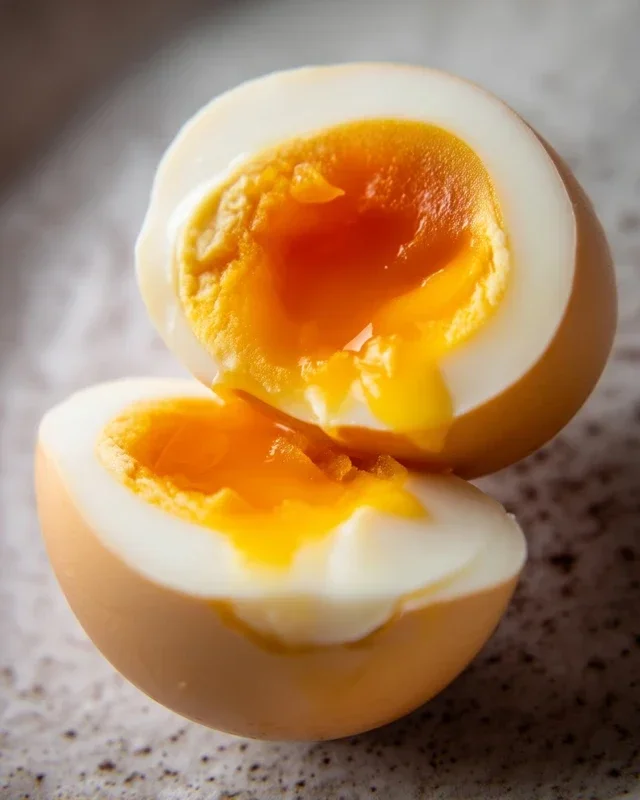
There’s something truly magical about a perfectly made ramen egg, also known as Ajitama. That glossy, jammy yolk nestled within a tender, savory white – it’s the crowning glory of any bowl of ramen, elevating it from delicious to absolutely transcendent. While they might seem intimidating to make at home, I’m here to tell you they are surprisingly simple and incredibly rewarding. The key is a bit of patience and the right marinade. Forget those store-bought imposters; once you’ve made your own Ajitama, you’ll never go back. This recipe focuses on achieving that ideal balance of sweetness and umami, creating a truly addictive experience.
Ingredients:
Note: Using eggs that are a few days old can make them easier to peel. Fresher eggs tend to stick more to the membrane. If you only have very fresh eggs, you can try placing them in a bowl of ice water immediately after boiling for a few minutes; this can sometimes help with peeling.
Preparing the Eggs
The first step to perfect Ajitama is to cook the eggs just right. We’re aiming for a soft-boiled egg with a beautifully jammy, not runny, yolk.
1. Bring a pot of water to a rolling boil. If you’re using vinegar, add a splash (about a tablespoon) to the boiling water. The vinegar helps to slightly harden the egg whites if an egg cracks during cooking, which can prevent them from leaking out and making a mess. Carefully lower the eggs into the boiling water using a slotted spoon or spider strainer. I like to gently lower them to avoid cracking them.
2. Set a timer for exactly 6 minutes and 30 seconds for large eggs. This duration is crucial for achieving that perfect jammy yolk. Some people prefer slightly firmer yolks, in which case you can increase the time to 7 minutes. For runnier yolks, reduce the time to 6 minutes. Once the timer goes off, immediately transfer the eggs to an ice bath. This stops the cooking process instantly, preventing the yolks from overcooking and becoming hard. Let them sit in the ice bath for at least 10 minutes. The colder they get, the easier they will be to peel.
Making the Marinade
While your eggs are chilling, it’s time to prepare the flavorful marinade that will transform them into Ajitama. This is where the magic happens, infusing the eggs with savory, sweet, and slightly umami notes.
1. In a small saucepan, combine the soy sauce, water, non-non-non-alcoholic alternativeic non-alcoholic mirin, and granulated sugar. Stir well to dissolve the sugar. Place the saucepan over medium heat and bring the mixture to a gentle simmer. You just want to warm it through enough to dissolve the sugar and meld the flavors; you don’t need to boil it vigorously. Stir occasionally to ensure the sugar is completely dissolved and nothing is sticking to the bottom. Once the sugar is dissolved and the marinade is fragrant, remove it from the heat. Let the marinade cool slightly while you proceed with peeling the eggs.
Peeling and Marinating
This is perhaps the most delicate part, but with a little care, you’ll have beautifully intact eggs.
1. Once the eggs are thoroughly chilled, it’s time to peel them. Gently tap each egg on a hard surface all around to crack the shell. Then, start peeling from the wider end of the egg, where the air pocket usually is. I find that peeling under cool running water helps to loosen the membrane and makes the process much smoother. If you get small bits of shell stuck, use the running water to rinse them away. Take your time with this step; a well-peeled egg makes for a much more visually appealing Ajitama.
2. Now, it’s time to get those peeled eggs into their flavorful bath. You’ll need a sealable container or a zip-top bag that’s just large enough to hold the eggs snugly. Place the peeled eggs into the container. Pour the slightly cooled marinade over the eggs, ensuring they are completely submerged. If your container is too large and the eggs are floating, you can place a small plate or a piece of plastic wrap on top to keep them submerged. Seal the container tightly or remove as much air as possible from the zip-top bag.
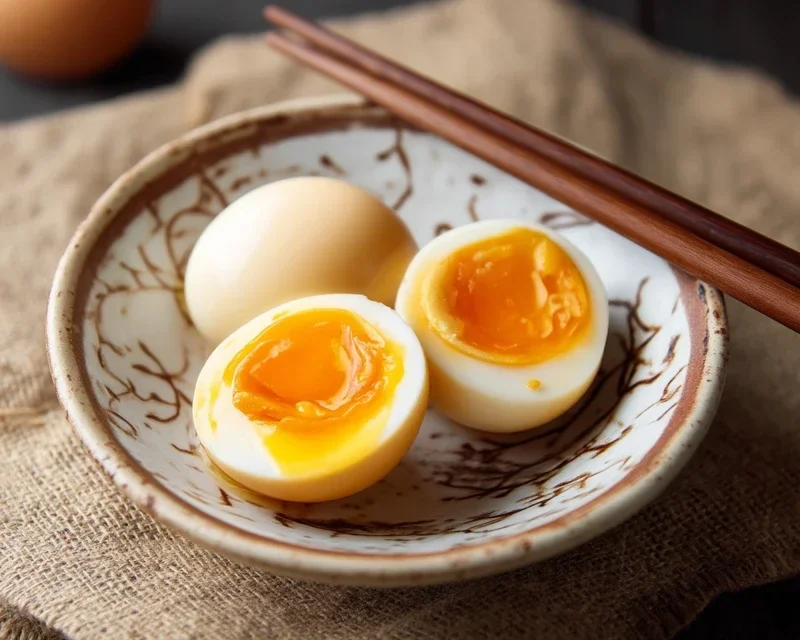
3. Refrigerate the marinated eggs for at least 4 hours, but for the best flavor, I highly recommend marinating them for 12 to 24 hours. The longer they marinate, the deeper the flavor will penetrate. I often make a batch the night before I plan to eat ramen, and they are absolutely perfect by the next day. You can flip the eggs periodically if you think they might not be getting even color, though the marinade usually does a good job of distributing itself. When you’re ready to serve, simply remove the eggs from the marinade, slice them in half lengthwise with a sharp knife, and place them yolk-side up on your favorite ramen. The vibrant orange yolk and savory, slightly sweet marinade will be a revelation! Enjoy the fruits of your labor!
Conclusion:
Crafting perfect Ramen Eggs, or Ajitama, is surprisingly simple and incredibly rewarding. These marinated soft-boiled eggs are a game-changer for elevating any ramen bowl, adding a burst of savory, umami-rich flavor and a wonderfully creamy yolk. Their versatility extends far beyond ramen; they’re a fantastic addition to rice bowls, salads, or even enjoyed on their own as a delicious snack. The beauty of this recipe lies in its adaptability – you can customize the marinade to your taste, perhaps with a touch more non-alcoholic mirin for sweetness or a hint of chili for heat. I truly encourage you to give this Ramen Egg recipe a try. You’ll be amazed at how these humble eggs can transform your meals and become a staple in your kitchen.
Frequently Asked Questions:
Why are my ramen eggs not peeling easily?
A common issue! Ensure your eggs are not too fresh; slightly older eggs (about a week old) tend to peel more smoothly. Also, plungin extractg them into an ice bath immediately after boiling helps the egg contract from the shell.
Can I make the marinade ahead of time?
Absolutely! The marinade can be prepared a day or two in advance and stored in the refrigerator. This allows the flavors to meld even further, resulting in even more delicious Ramen Eggs.
What is the best way to store leftover ramen eggs?
Store your cooked and marinated Ramen Eggs in an airtight container in the refrigerator. They are best consumed within 3-4 days for optimal texture and flavor, ensuring that delightful creamy yolk remains perfect.
Ramen Eggs (Ajitama)
Soft-boiled eggs marinated in a savory soy sauce mixture, perfect for ramen or as a snack.
Ingredients
-
6 large eggs
-
½ cup soy sauce (light sodium)
-
¼ cup water
-
¼ cup non-alcoholic mirin
-
2 tablespoons granulated sugar
-
1 tablespoon rice vinegar
Instructions
-
Step 1
Gently place eggs in a pot and cover with cold water. Add a splash of rice vinegar if using to help prevent cracking. -
Step 2
Bring water to a rolling boil over medium-high heat. Once boiling, reduce heat to a simmer and cook for exactly 6 minutes for a runny yolk. -
Step 3
Immediately transfer eggs to an ice bath to stop the cooking process. Let them cool for at least 10 minutes. -
Step 4
While eggs are cooling, whisk together soy sauce, water, non-alcoholic mirin, and granulated sugar in a bowl or shallow container until sugar is dissolved. This is your marinade. -
Step 5
Carefully peel the cooled eggs. Place the peeled eggs into the marinade, ensuring they are fully submerged. You may need to cut the marinade recipe in half or use a smaller container if it doesn’t cover all eggs. -
Step 6
Cover and refrigerate for at least 4 hours, or preferably overnight, for the best flavor.
Important Information
Nutrition Facts (Per Serving)
It is important to consider this information as approximate and not to use it as definitive health advice.
Allergy Information
Please check ingredients for potential allergens and consult a health professional if in doubt.