Kolokithokeftedes Greek Zucchini Fritters Recipe
Kolokithokeftedes, the delightful Greek zucchini fritters, are a taste of pure sunshine and simple joy. If you’ve ever found yourself at a Greek taverna or a family gathering, chances are you’ve encountered these golden, crispy morsels. What is it about these humble fritters that captures our hearts so completely? It’s their incredible versatility: perfect as a light appetizer, a satisfying snack, or even a side dish that can elevate any meal. The magic lies in transforming humble zucchini into something truly spectacular, infused with fresh herbs and a hint of savory cheese, creating a flavor profile that’s both comforting and incredibly moreish. These kolokithokeftedes aren’t just food; they’re an experience, a bite-sized piece of Greek hospitality that always leaves you wanting more.

Kolokithokeftedes (Greek Zucchini Fritters)
Ah, kolokithokeftedes! If you’ve ever experienced the vibrant flavors of Greek cuisine, you’ve likely encountered these delightful zucchini fritters. They are a beloved meze, perfect for sharing with friends and family, or simply as a delicious snack. Crispy on the outside, tender and savory on the inside, these little golden parcels are bursting with fresh, herbaceous goodness. The star, of course, is the humble zucchini, transformed into something truly special with a few simple additions. Making kolokithokeftedes at home is surprisingly straightforward, and the aroma that fills your kitchen as they fry is simply non-intoxicating. They are a fantastic way to use up a bounty of zucchini, and I guarantee they’ll become a favorite in your recipe repertoire.
Ingredients:
Cooking Instructions
Preparing these delightful fritters is a joy, and the process itself is quite therapeutic. The key to successful kolokithokeftedes lies in properly preparing the zucchini to avoid soggy fritters. Once that’s managed, the rest is a breeze.
Step 1: Prepping the Zucchini
The first and most crucial step is to manage the moisture content of the grated zucchini. You’ll want to grate your zucchini using the large holes of a box grater. Once grated, place the shredded zucchini in a fine-mesh sieve set over a bowl. Sprinkle generously with salt – about a teaspoon should do. This salting process helps to draw out the excess water from the zucchini. Let it sit for at least 15-20 minutes. You’ll see a surprising amount of liquid accumulate in the bowl below. After the resting period, it’s time to squeeze out as much of that liquid as possible. You can do this by taking handfuls of the grated zucchini and squeezing them firmly over the sink or the bowl. Alternatively, you can use a clean kitchen towel or cheesecloth to wrap the zucchini and wring out the moisture. The drier the zucchini, the crispier your fritters will be!
Step 2: Creating the Batter
Once your zucchini is well-drained and relatively dry, transfer it to a medium-sized mixing bowl. Finely chop your green onions (both the white and green parts) and mince the garlic clove. Add these to the bowl with the zucchini. Crum extractble in the feta cheese. You want to use a good quality feta that has a nice salty tang; it pairs beautifully with the mild zucchini. Chop the fresh dill finely and add it to the mixture. Dill is an essential herb in Greek cooking and provides a wonderful fresh aroma and flavor that complements the zucchini perfectly. Now, crack in your two eggs. These will act as the binder for your fritters. Season generously with salt and freshly ground black pepper. Remember that feta is already salty, so taste your mixture before adding too much extra salt.
Step 3: Incorporating the Dry Ingredients
In a separate small bowl, whisk together the wholemeal flour and the baking powder. The wholemeal flour adds a lovely nutty flavor and a slightly heartier texture compared to all-purpose flour. The baking powder is crucial for giving the fritters a little lift, making them light and airy. Gradually add the dry ingredients to the wet ingredients in the large bowl. Mix everything together gently until just combined. Be careful not to overmix, as this can lead to tough fritters. You’re looking for a consistency where the mixture holds together loosely but isn’t a stiff dough. If it seems too wet, you can add a tablespoon more flour at a time, but aim for a relatively soft mixture.
Step 4: Frying to Golden Perfection
Now for the fun part – frying! Pour a generous amount of olive oil into a large skillet or frying pan. You’ll want enough oil to come about ½ inch up the sides of the pan, as this will ensure even cooking and browning. Heat the oil over medium-high heat. You can test if the oil is hot enough by dropping a tiny bit of the batter into it; it should sizzle and bubble immediately. Carefully drop spoonfuls of the zucchini mixture into the hot oil. You can use two spoons or a small ice cream scoop for this. Don’t overcrowd the pan, as this will lower the oil temperature and result in greasy fritters. Fry the kolokithokeftedes in batches, for about 3-4 minutes per side, or until they are beautifully golden brown and cooked through.
Step 5: Draining and Serving
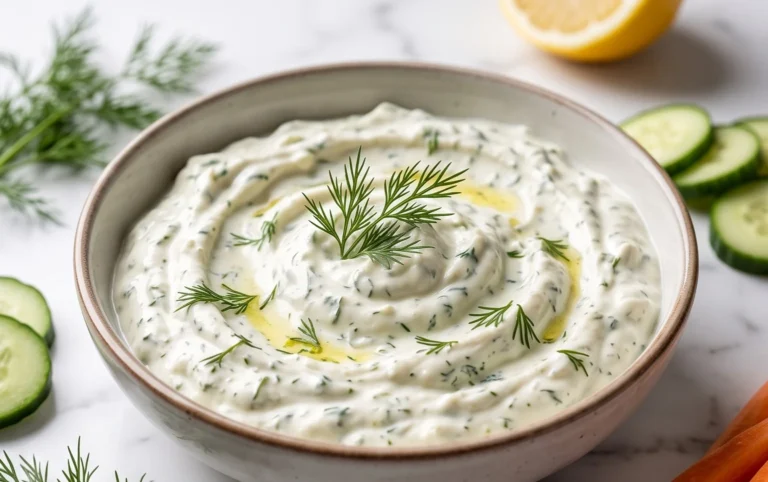
As each batch of kolokithokeftedes is cooked to perfection, remove them from the hot oil using a slotted spoon and place them on a plate lined with paper towels. This will absorb any excess oil and ensure your fritters are wonderfully crisp. Allow them to drain for a minute or two before serving. Kolokithokeftedes are best served warm, straight from the pan. They are incredibly versatile. Serve them as a light appetizer with a dollop of cool, refreshing tzatziki sauce for dipping. They also make a fantastic addition to a Greek salad or as a side dish with grilled meats or fish. You can even enjoy them on their own as a delicious and satisfying snack. The combination of the crispy exterior, the soft, flavorful interior, and the tang of the feta makes them utterly irresistible. Enjoy every bite!

Conclusion:
So there you have it – your guide to making incredibly delicious Kolokithokeftedes, or Greek Zucchini Fritters! This recipe is a fantastic way to use up summer squash, transforming simple ingredients into crispy, flavorful delights. They’re wonderfully light, packed with fresh herbs, and possess that perfect balance of tender zucchini and a satisfyingly golden-brown crust. I truly hope you’ll give these a try; they’re so much simpler than you might think and are incredibly rewarding to make and share.
Kolokithokeftedes are wonderfully versatile. They make a superb appetizer, a light lunch, or a delightful side dish. Serve them warm with a dollop of thick Greek yogurt mixed with a squeeze of lemon and a sprinkle of fresh dill for a classic pairing. They’re also fantastic alongside a crisp Greek salad or grilled meats. For variations, consider adding a pinch of feta cheese to the batter for an extra tangy kick, or a whisper of mint alongside the dill for a different herbaceous note. Don’t be afraid to experiment with your favorite herbs!
Frequently Asked Questions about Kolokithokeftedes:
Why are my kolokithokeftedes soggy?
The most common reason for soggy fritters is not squeezing out enough moisture from the grated zucchini. After grating, it’s crucial to salt the zucchini and let it sit for at least 15-20 minutes to draw out excess water. Then, squeeze it very thoroughly, using your hands or cheesecloth, before adding it to the batter. Also, ensure your frying oil is hot enough (around 350°F or 175°C) before adding the fritters, and don’t overcrowd the pan, as this can lower the oil temperature.
Can I make kolokithokeftedes ahead of time?
While they are best enjoyed fresh and hot from the pan for maximum crispness, you can prepare the batter a few hours in advance and store it covered in the refrigerator. You can also cook them and then reheat them in a hot oven (around 400°F or 200°C) for about 5-10 minutes until crisp again, although they may not achieve the same level of crunch as when freshly fried. For the absolute best texture, frying them just before serving is recommended.
Kolokithokeftedes (Greek Zucchini Fritters)
Delicious and savory Greek zucchini fritters made with fresh zucchini, herbs, and feta cheese. Perfect as an appetizer or a light meal.
Ingredients
-
3 cups Grated Zucchini
-
2 Green Onions / Shallots, finely chopped
-
2 Eggs, lightly beaten
-
1 Garlic Clove, minced
-
1/2 cup Feta Cheese, crumbled
-
1 tbsp Fresh Dill, chopped
-
1/2 cup Wholemeal / Wholewheat Flour
-
1/2 tsp Baking Powder
-
Salt, to taste
-
Pepper, to taste
-
Olive Oil, for frying
Instructions
-
Step 1
Squeeze as much excess water as possible from the grated zucchini using your hands or a clean kitchen towel. This is crucial for crispy fritters. -
Step 2
In a large bowl, combine the squeezed zucchini, chopped green onions/shallots, beaten eggs, minced garlic, crumbled feta cheese, and chopped dill. -
Step 3
Add the wholemeal/wholewheat flour and baking powder to the zucchini mixture. Season with salt and pepper to taste. Mix well until just combined; do not overmix. -
Step 4
Heat a generous amount of olive oil in a large skillet over medium-high heat. The oil should be hot but not smoking. -
Step 5
Carefully drop spoonfuls of the zucchini mixture into the hot olive oil, flattening them slightly with the back of the spoon to form fritters. Do not overcrowd the pan. -
Step 6
Fry for 3-4 minutes per side, or until golden brown and cooked through. Adjust heat as needed to prevent burning. -
Step 7
Remove the kolokithokeftedes from the skillet and place them on a plate lined with paper towels to drain excess oil. Serve warm.
Important Information
Nutrition Facts (Per Serving)
It is important to consider this information as approximate and not to use it as definitive health advice.
Allergy Information
Please check ingredients for potential allergens and consult a health professional if in doubt.