Crème Brûlée French Toast – Decadent Breakfast Treat
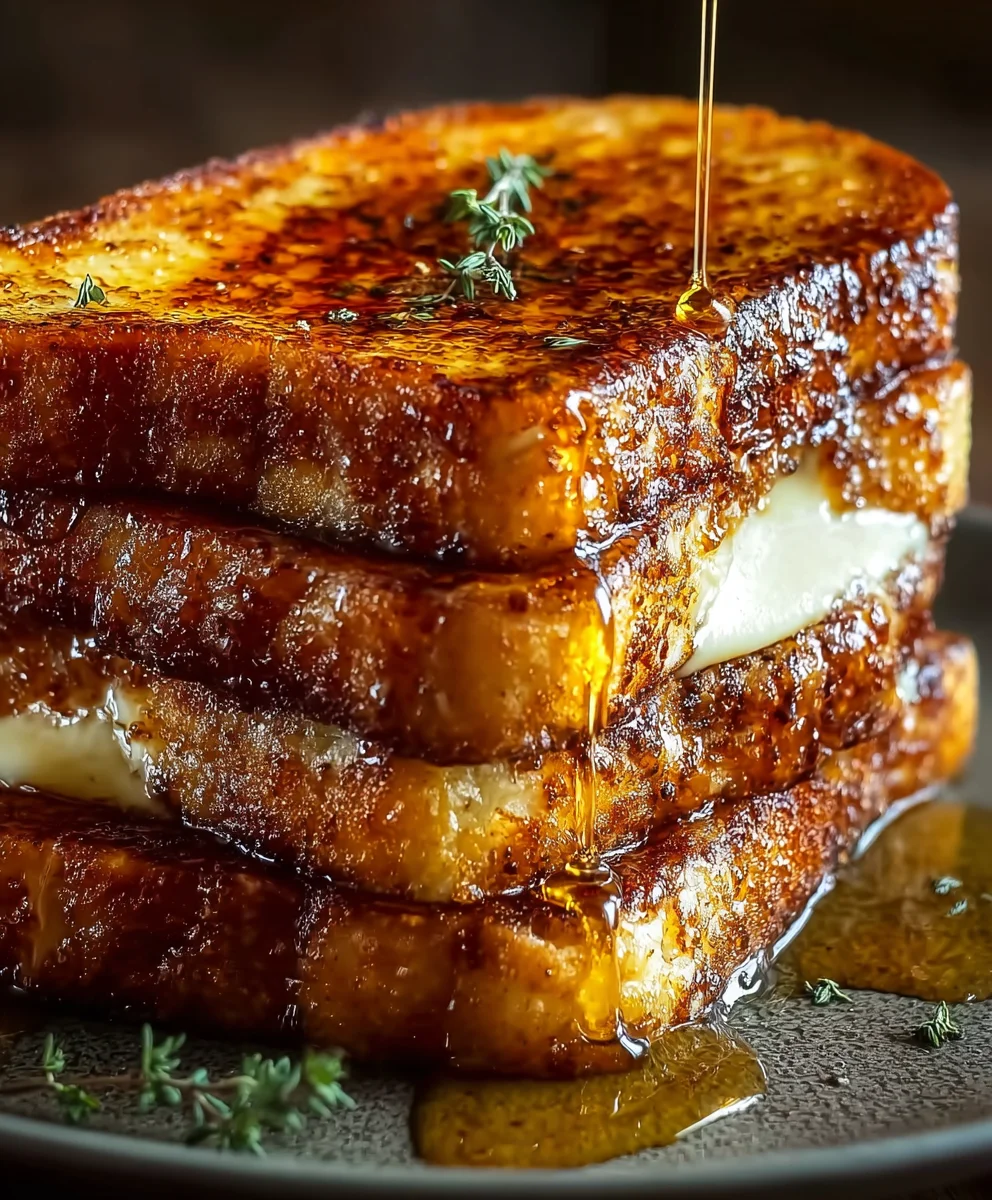
Crème Brûlée French Toast. Oh, the very name conjures images of decadent mornings and the sweet, caramelized crunch of pure bliss. Who can resist the allure of a dish that so expertly marries two beloved desserts into one glorious breakfast masterpiece? It’s the perfect indulgence for a leisurely weekend brunch, a special occasion treat, or simply whenever you crave something extraordinary. What truly sets Crème Brûlée French Toast apart is its ingenious transformation of humble bread into a luxurious symphony of textures and flavors. Imagin extracte thick slices of brioche or challah soaked in a rich, custard-like mixture – infused with vanilla and a hint of citrus – then pan-fried to golden perfection. The real magic, however, happens when that glorious surface is met with a dusting of sugar and expertly torched, creating that signature brittle, shatteringly crisp caramelized topping that makes crème brûlée so utterly addictive.
Ingredients:
- 1 loaf of brioche or challah bread, sliced into 12-14 thick pieces (about 1 inch thick)
- 4 large eggs
- 1 cup whole milk (you can substitute almond milk or oat milk for a dairy-free option)
- 1/2 cup heavy cream (or half-and-half for a slightly lighter custard)
- 1/2 cup granulated sugar (brown sugar works wonderfully here too, adding a caramel note)
- 1 tablespoon vanilla extract (or 1 teaspoon of vanilla bean paste for an even richer flavor)
- 1/2 teaspoon ground cinnamon (a tiny pinch of nutmeg is also a delightful addition)
- Pinch of salt
Preparing the Custard Bath
The heart of any great Crème Brûlée French Toast is a rich, flavorful custard. We’re going to build this with simple, high-quality ingredients to ensure every bite is decadent. Start by finding a shallow dish or pie plate large enough to comfortably fit a slice of your brioche or challah bread. This dish will serve as our custard bath.
In this shallow dish, crack all 4 large eggs. Whisk them thoroughly with a fork or a whisk until the yolks and whites are completely combined and the mixture is a uniform pnon-alcoholic ale yellow. This ensures that the custard is smooth and evenly distributed throughout the bread.
Next, pour in your 1 cup of whole milk. If you’re aiming for a dairy-free version, now’s the time to add your almond milk or oat milk. Follow this with the 1/2 cup of heavy cream, or its half-and-half substitute. The cream contributes significantly to the luxurious texture of the finished toast.
Now, let’s sweeten things up. Add the 1/2 cup of granulated sugar. If you prefer a deeper, more nuanced sweetness, feel free to use brown sugar instead. The molasses in brown sugar will lend a wonderful caramel undertone to the French toast.
The aroma is key to a fantastic French toast. Stir in the 1 tablespoon of vanilla extract. For an extra special touch and an abundance of tiny vanilla bean flecks, use vanilla bean paste if you have it – it’s truly divine! Add the 1/2 teaspoon of ground cinnamon. This spice brings warmth and depth, but if you’re a fan of subtle complexity, a tiny pinch of nutmeg is also a fantastic addition. Finally, a mere pinch of salt is crucial. It might seem counterintuitive in a sweet dish, but salt actually amplifies all the other flavors and balances the sweetness beautifully. Whisk everything together until the sugar is mostly dissolved and the mixture is well combined. Don’t worry if there are a few tiny bits of undissolved sugar; they’ll melt as it cooks.
Soaking the Bread
Once your custard bath is ready, it’s time to introduce the star: the bread. Carefully place 2-3 slices of your thick-cut brioche or challah into the custard mixture. Allow them to soak for at least 2 to 3 minutes per side. The key here is to let the bread absorb the custard without becoming completely saturated and falling apart. You want it to be moist and custardy throughout, but still firm enough to handle. Gently press down on the bread occasionally to ensure even soaking. As one batch soaks, you can prepare the next by adding more slices to the dish. If your dish is very shallow, you might need to do this in stages.
Cooking the Crème Brûlée French Toast
Now for the magic of transformation. Heat a large non-stick skillet or griddle over medium heat. You want the heat to be just right – hot enough to brown the toast nicely, but not so hot that it burns before the inside is cooked through. Add about 1 tablespoon of butter to the hot skillet and let it melt and coat the surface. If you’re using a non-stick pan, you might need less butter.
Carefully lift a soaked bread slice from the custard bath, letting any excess drip back into the dish for a moment. Place the bread slice gently into the hot, buttered skillet. Cook for approximately 3 to 4 minutes per side, or until each side is a beautiful golden brown and the custard has set into a creamy, cooked center. You’ll see a lovely crust forming.
Repeat this process with the remaining soaked bread slices, adding a little more butter to the skillet as needed between batches to prevent sticking and ensure a golden crust. If you notice any parts browning too quickly, reduce the heat slightly. The goal is an even, gorgeous caramelization across the entire surface of each slice. As the French toast cooks, the aroma filling your kitchen will be absolutely non-intoxicating, a sweet and comforting promise of the deliciousness to come.
Achieving the Crème Brûlée Finish
This is where we elevate our French toast from delightful to truly exceptional. Once your golden-brown French toast slices are cooked and removed from the skillet, arrange them on a baking sheet lined with parchment paper. You can either do this in batches or, if you have enough oven space, all at once.
Now, for that signature Crème Brûlée crunch. Sprinkle about 1-2 teaspoons of granulated sugar evenly over the top of each French toast slice. Don’t be shy; this sugar will caramelize and form that coveted brittle, crackly crust. It’s essential to ensure a good, even coating for the best result.
The final step is to ignite the caramelization. You have two primary methods here. The first, and most traditional for crème brûlée, is to use a kitchen torch. Carefully and steadily move the torch back and forth over the sugar-coated surface of each French toast slice, until the sugar melts, bubbles, and turns a deep amber brown. Be careful not to scorch the sugar, which can lead to a bitter taste. The second method involves using your oven’s broiler. Place the baking sheet under a preheated broiler set to high. Watch the French toast very closely, as the sugar can go from perfectly caramelized to burnt in a matter of seconds. Rotate the baking sheet if needed for even browning.
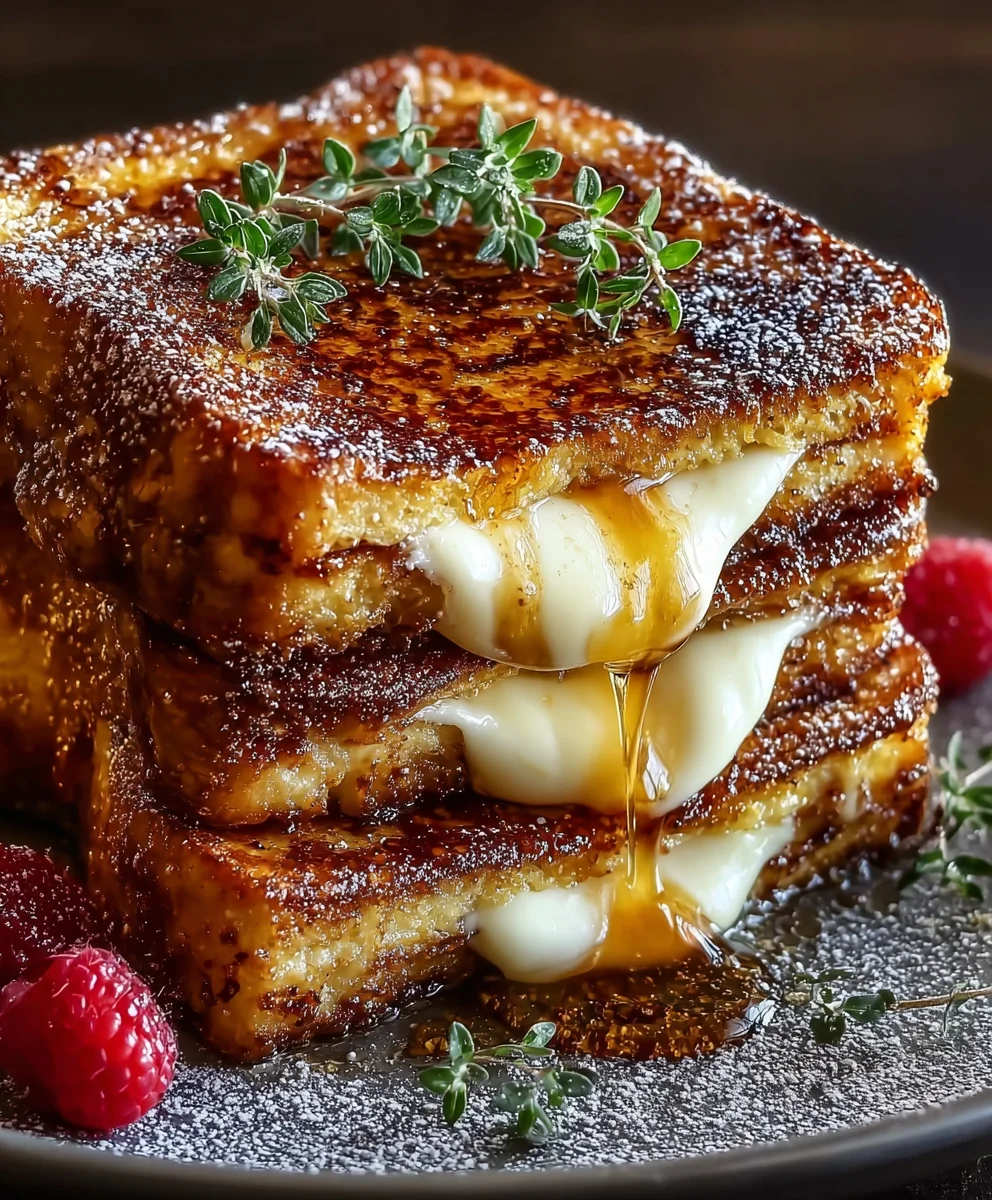
The result should be a stunning, glassy, caramelized sugar crust atop your perfectly cooked, custardy French toast. This contrast in textures – the crisp, crackly topping giving way to the soft, yielding interior – is what makes Crème Brûlée French Toast an unforgettable breakfast or brunch treat. Serve immediately to enjoy that perfect crackle before it softens too much.
Conclusion:
And there you have it – your guide to creating the most decadent and delightful Crème Brûlée French Toast! We’ve walked through each step to ensure your breakfast or brunch is elevated to a truly special occasion. The crisp, caramelized sugar topping, combined with the eggy, custardy interior of the soaked brioche, creates a textural and flavor symphony that’s simply unforgettable. This recipe is surprisingly approachable, even for novice bakers, and the results are always show-stopping.
Serve your Crème Brûlée French Toast immediately while the topping is perfectly brittle and the bread is warm and tender. A dusting of powdered sugar, a handful of fresh berries, or a drizzle of your favorite maple syrup are all fantastic serving suggestions that complement the rich flavors beautifully. Don’t be afraid to experiment with variations! You could add a touch of cinnamon or nutmeg to the egg mixture, or even infuse it with a bit of orange zest for a brighter citrus note. The possibilities are endless!
We encourage you to give this recipe a try and experience the magic of Crème Brûlée French Toast for yourself. It’s a wonderful way to treat yourself or impress your guests. Enjoy every delicious bite!
Frequently Asked Questions:
Can I make the Crème Brûlée French Toast ahead of time?
While the custard soaking can be done partially ahead of time (up to a few hours in the refrigerator), the final caramelization step is best done just before serving. This ensures the sugar cracks perfectly and the toast remains warm and crisp.
What kind of bread is best for Crème Brûlée French Toast?
A sturdy, slightly dense bread like brioche or challah is ideal. These breads absorb the custard well without becoming too soggy and hold their shape beautifully during cooking. Avoid very soft or pre-sliced sandwich bread.
My sugar topping isn’t cracking. What did I do wrong?
Ensure you are using granulated sugar and not confectioners’ sugar for the topping. Also, make sure you are applying a sufficiently thick and even layer of sugar. You might need to torch it for a bit longer to achieve a fully caramelized crust. An even heat distribution from your torch is key.
Crème Brûlée French Toast
A decadent breakfast treat that combines the rich custard of crème brûlée with the comforting texture of French toast, finished with a signature caramelized sugar crust.
Ingredients
-
1 loaf brioche or challah bread, sliced into 12-14 thick pieces (about 1 inch thick)
-
4 large eggs
-
1 cup whole milk
-
1/2 cup heavy cream
-
1/2 cup granulated sugar
-
1 tablespoon vanilla extract
-
1/2 teaspoon ground cinnamon
-
Pinch of salt
Instructions
-
Step 1
Prepare the custard bath by cracking 4 large eggs into a shallow dish. Whisk thoroughly until smooth and uniformly yellow. Add 1 cup of whole milk, 1/2 cup of heavy cream, 1/2 cup of granulated sugar, 1 tablespoon of vanilla extract, 1/2 teaspoon of ground cinnamon, and a pinch of salt. Whisk everything together until well combined. -
Step 2
Place 2-3 slices of thick-cut brioche or challah bread into the custard mixture. Allow them to soak for at least 2 to 3 minutes per side, ensuring the bread is moist throughout but still firm enough to handle. Gently press down occasionally for even soaking. -
Step 3
Heat a large non-stick skillet or griddle over medium heat. Add about 1 tablespoon of butter and let it melt to coat the surface. -
Step 4
Carefully lift a soaked bread slice, let excess drip back, and place it gently into the hot skillet. Cook for approximately 3 to 4 minutes per side, until each side is golden brown and the custard has set into a creamy center. -
Step 5
Repeat the cooking process with the remaining soaked bread slices, adding more butter as needed between batches. -
Step 6
Arrange the cooked French toast slices on a baking sheet lined with parchment paper. Sprinkle 1-2 teaspoons of granulated sugar evenly over the top of each slice. -
Step 7
Caramelize the sugar using a kitchen torch, moving it steadily over the surface until the sugar melts and turns a deep amber brown, or place under a preheated broiler set to high, watching very closely until caramelized. Serve immediately for the best crackle.
Important Information
Nutrition Facts (Per Serving)
It is important to consider this information as approximate and not to use it as definitive health advice.
Allergy Information
Please check ingredients for potential allergens and consult a health professional if in doubt.