Copycat Heinz Ketchup Recipe-Easy Homemade Flavor
Canned Ketchup Recipe (Heinz Copycat) – Do you ever find yourself reaching for that familiar red bottle, only to realize you’re completely out? It’s a culinary crisis of epic proportions, isn’t it? We’ve all been there, staring down a plate of fries or a burger, the ketchup just out of reach. That’s precisely why mastering a homemade canned ketchup recipe (Heinz copycat) is a game-changer. This isn’t just about saving a trip to the grocery store; it’s about unlocking that perfect balance of sweet, tangy, and savory that makes Heinz ketchup so universally beloved. The magic lies in its simplicity and the comforting nostalgia it evokes. Imagin extracte replicating that iconic flavor in your own kitchen, ready to slather on anything that needs a delicious boost. This canned ketchup recipe (Heinz copycat) will become your secret weapon for condiment perfection.
Canned Ketchup Recipe (Heinz Copycat)
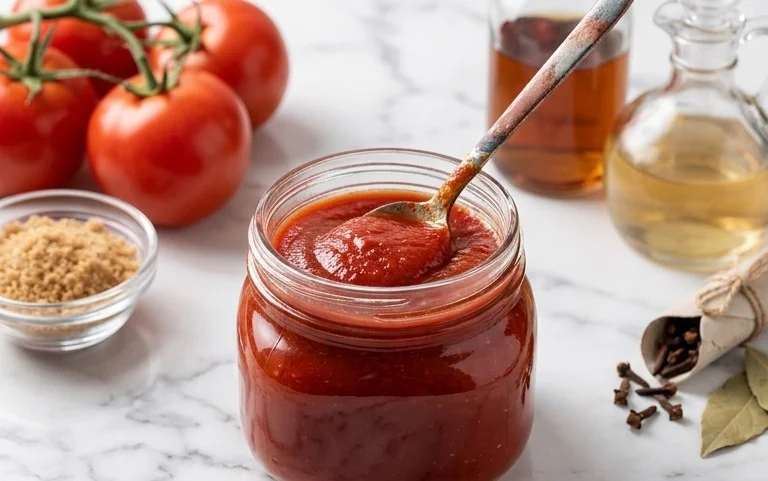
Ever crave that classic, tangy sweetness of your favorite ketchup but wish you could bottle it yourself? While store-bought is convenient, there’s a deeply satisfying feeling that comes with making your own condiments from scratch. This recipe is designed to bring you as close as possible to the iconic flavor profile of Heinz ketchup, using readily available ingredients. Imagin extracte opening your pantry and pulling out a jar of homemade ketchup, ready to dollop onto fries, burgers, or anything else that needs a little zing. It’s easier than you might think, and the taste difference is remarkable.
This recipe yields a substantial amount, perfect for stocking your pantry for months to come, or for sharing with fellow ketchup enthusiasts. We’re using concentrated tomato flavor and carefully balancing sweet, savory, and spicy notes to achieve that familiar taste. Don’t be intimidated by the ingredient list; most of these are pantry staples you likely already have. The key is to build layers of flavor and achieve the perfect consistency.
Ingredients:
Cooking Instructions
This process involves simmering and thickening to develop those deep, rich flavors. Patience is your best friend here, as slow cooking allows the ingredients to meld beautifully.
Initial Simmer and Flavor Infusion
Begin extract by combining the 7 quarts of tomato juice, 4 cups of white distilled vinegar, 3 cups of sugar, and 5 tablespoons of salt in a very large, heavy-bottomed pot. A pot of at least 12-16 quarts is recommended to prevent boiling over. Stir these ingredients together until the sugar and salt are mostly dissolved. Bring this mixture to a gentle simmer over medium heat. Once simmering, reduce the heat to low, cover the pot partially, and let it cook for about 1 hour. This initial simmering period is crucial for allowing the vinegar to mellow and the sugar to begin extract its caramelization process, laying the foundation for the ketchup’s signature tang and sweetness. Stir occasionally to ensure nothing sticks to the bottom.
Adding the Spice Profile
After the initial hour of simmering, it’s time to introduce the aromatic spices that will give our ketchup its distinctive warmth and depth. Add 1 tablespoon of onion powder, 1/2 teaspoon of cinnamon, 1/2 teaspoon of ground cloves, 1/2 teaspoon of all-spice, and 1/2 teaspoon of cayenne pepper to the pot. Stir these spices thoroughly into the tomato mixture. The cayenne pepper provides a subtle hint of heat, mimicking the complex finish of commercial ketchups without being overpowering. Let this mixture continue to simmer gently, uncovered this time, for another hour. This extended simmering allows the spices to bloom and infuse their flavors fully into the tomato base. Stir more frequently now, as the liquid will begin extract to reduce slightly.
Concentrating the Tomato Flavor
Now, we add the concentrated goodness of tomato paste. Open your 46 oz can of tomato paste and stir it directly into the simmering ketchup base. This will significantly thicken the mixture and intensify the tomato flavor. Continue to simmer, uncovered, stirring very frequently to prevent any scorching or sticking. This stage can take anywhere from 1 to 2 hours, depending on how thick you want your ketchup to be. The goal is to reduce the liquid by roughly half to two-thirds. The aroma in your kitchen will be incredible at this point, a true testament to the power of slow cooking.
Achieving the Perfect Consistency with Thermflo
Once your ketchup has reduced to your desired consistency, it’s time to add the Thermflo. Thermflo is a modified food starch that will give your homemade ketchup that smooth, glossy, and slightly thickened texture that we all associate with our favorite brands. In a small bowl, whisk together the 1/3 cup of heaping Thermflo with about 1/2 cup of cold water until it forms a smooth slurry with no lumps. Slowly pour this slurry into the simmering ketchup while stirring constantly. Continue to cook and stir the ketchup over low heat for an additional 10-15 minutes, or until the Thermflo is fully activated and the ketchup has thickened to its final, desired consistency. It will thicken more as it cools. Be careful not to overcook once the Thermflo is added.
Cooling and Storing Your Homemade Ketchup
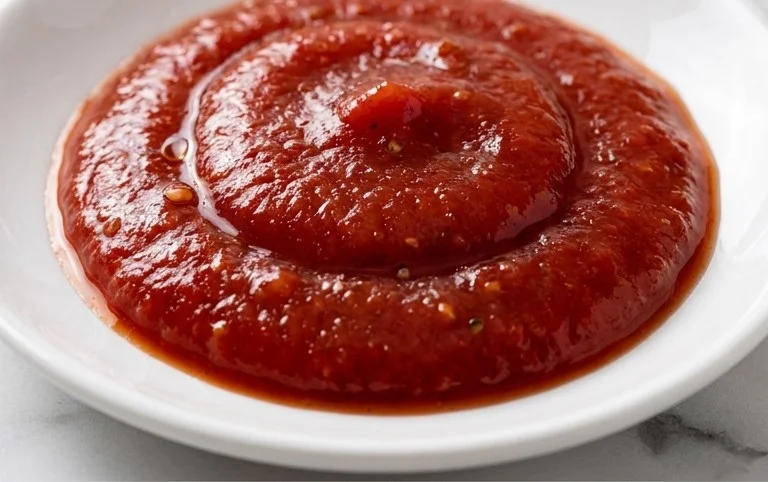
Once the ketchup has reached the perfect consistency, remove the pot from the heat. You can choose to strain the ketchup at this point if you prefer a completely smooth texture, although the spices are very finely ground, so it’s usually not necessary. Let the ketchup cool in the pot for about 30-60 minutes. As it cools, it will continue to thicken. Ladle the cooled ketchup into clean, sterilized jars or bottles. Ensure the jars are airtight. Store the homemade ketchup in the refrigerator. It will keep well for several weeks. For longer storage, you can consider canning the ketchup using standard water bath canning methods, following all safety guidelines for preserving. Enjoy your delicious, homemade Heinz-style ketchup!
Conclusion:
I hope you’re as excited as I am about this homemade canned ketchup recipe! This Heinz copycat is truly fantastic because it allows you to control the ingredients, ensuring a fresher, more vibrant flavor than anything you’ll find on a store shelf. Plus, the satisfaction of making your own classic condiment is immense. It’s perfect for everything from dipping fries to slathering on burgers, and it stores beautifully in the pantry for whenever that craving strikes. I encourage you to give this recipe a try; you won’t be disappointed by the delicious results! Imagin extracte having that perfectly balanced sweet and tangy flavor readily available for all your meals.
For serving, this canned ketchup is a dream alongside grilled meats, chicken nuggets, or even as a base for a homemade barbecue sauce. Feel free to experiment with variations too! Add a pinch of chili powder for a subtle kick, or a touch of smoked paprika for a deeper, richer flavor profile. The possibilities are endless.
Frequently Asked Questions:
Why is making my own canned ketchup a great idea?
Making your own canned ketchup is wonderful because you eliminate artificial preservatives and can adjust the sweetness and tang to your exact liking. It’s a simple way to achieve that beloved Heinz flavor at home, ensuring a high-quality, delicious condiment.
Can I make this recipe spicier?
Absolutely! To make this canned ketchup recipe spicier, you can add a pinch of cayenne pepper, a dash of hot sauce, or even some finely minced jalapeños when you blend the ingredients. Start small and adjust to your heat preference.
How long will this homemade ketchup last?
When properly prepared and stored in a sterilized, airtight container in a cool, dark place, this homemade canned ketchup should last for several months, much like store-bought versions. Always check for any signs of spoilage before consuming.
Canned Ketchup Recipe (Heinz Copycat)
A homemade ketchup recipe that closely mimics the classic Heinz taste, perfect for canning and enjoying year-round.
Ingredients
-
7 quarts tomato juice (from 22 lbs fresh tomatoes)
-
4 cups white distilled vinegar
-
3 cups sugar
-
5 Tbsp salt
-
1 Tbsp onion powder
-
1/2 tsp cinnamon
-
1/2 tsp ground cloves
-
1/2 tsp all-spice
-
1/2 tsp cayenne pepper
-
46 oz tomato paste
-
1/3 cup Thermflo (heaping)
Instructions
-
Step 1
In a large pot, combine tomato juice, white distilled vinegar, sugar, salt, onion powder, cinnamon, ground cloves, all-spice, and cayenne pepper. Stir well to combine. -
Step 2
Add the tomato paste to the pot and whisk until it is fully incorporated and the mixture is smooth. -
Step 3
Bring the mixture to a boil, then reduce heat and simmer for 45 minutes, stirring occasionally. This allows the flavors to meld. -
Step 4
In a small bowl, whisk the Thermflo with about 1/4 cup of the hot ketchup mixture until smooth. This prevents lumps. Gradually whisk this slurry back into the main pot of ketchup. -
Step 5
Continue to simmer for another 15 minutes, stirring constantly, until the ketchup has thickened to your desired consistency. -
Step 6
Carefully ladle the hot ketchup into sterilized jars, leaving 1/4 inch headspace. Process in a boiling water bath according to canning guidelines.
Important Information
Nutrition Facts (Per Serving)
It is important to consider this information as approximate and not to use it as definitive health advice.
Allergy Information
Please check ingredients for potential allergens and consult a health professional if in doubt.