Best Chimichurri Sauce Recipe – Easy & Flavorful
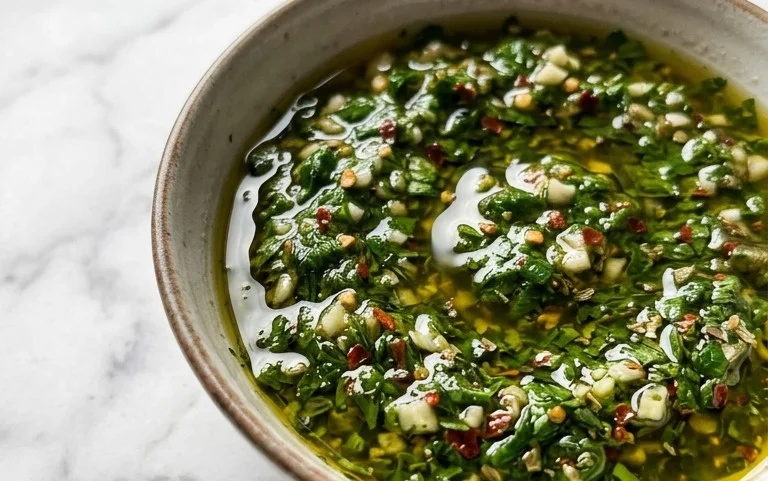
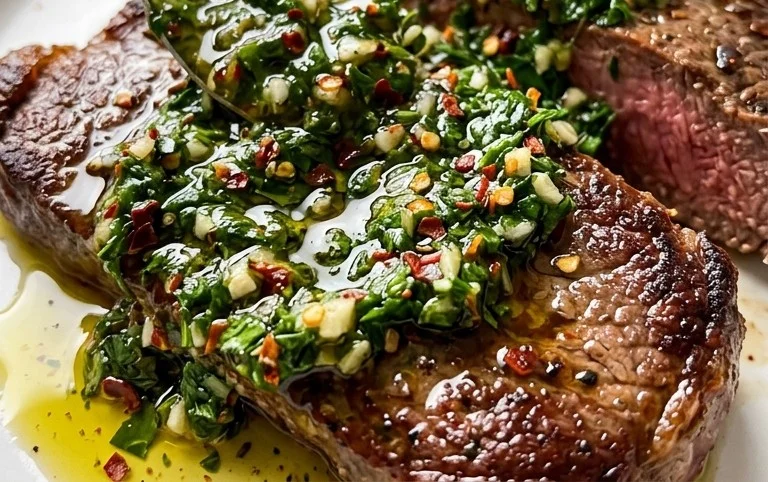
Chimichurri sauce is more than just a condiment; it’s a vibrant explosion of flavor that has the power to transform even the simplest grilled steak into a culinary masterpiece. Have you ever found yourself wondering what that zesty, herbaceous magic is that elevates grilled meats to an entirely new level? That, my friends, is the inimitable charm of chimichurri. This Argentinian staple, typically served alongside succulent barbecued beef, is beloved for its incredible freshness and its ability to cut through richness with a delightful tang. What truly sets chimichurri sauce apart is its harmonious blend of fresh parsley and oregano, sharp garlic, pungent red grape juice vinegar, and a subtle kick of chili. It’s a remarkably easy sauce to whip up, yet its impact is profound. Get ready to discover how this simple yet sophisticated chimichurri sauce can become your go-to for everything from marinades to dips.
Chimichurri Sauce: The Vibrant Green Elixir You Need
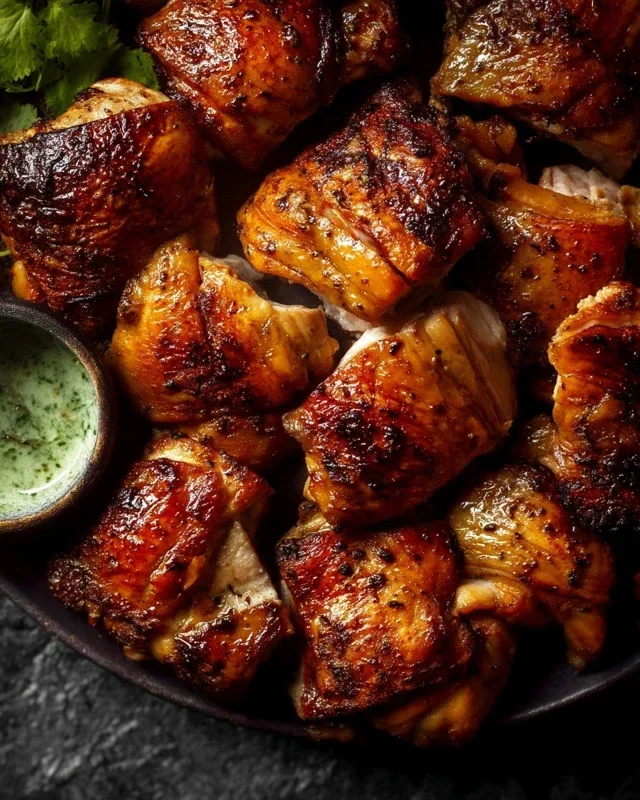
There are certain sauces that, with just a few vibrant ingredients, can transform a simple meal into something extraordinary. Chimichurri sauce is undeniably one of those. Hailing from Argentina and Uruguay, this herbaceous, zesty condiment is traditionally served with grilled meats, but its versatility knows no bounds. Think of it as your secret weapon for elevating everything from grilled steak and chicken to fish, vegetables, and even as a fantastic dip for crusty bread.
The magic of chimichurri lies in its fresh, unadulterated flavors. It’s not about slow simmering or complex reductions; it’s about the vibrant punch of fresh herbs, the pungent kick of garlic, and the bright acidity from vinegar and lemon. When made correctly, it’s a lively, herbaceous sauce that cuts through richness and adds a burst of freshness to any dish. I find that once you’ve made it yourself, you’ll rarely reach for a store-bought version again. The aroma alone as you chop the herbs is incredibly invigorating!
This recipe focuses on achieving that perfect balance of herbaceousness, acidity, and just the right amount of garlic and spice. It’s quick to prepare, meaning you can whip it up right before serving or let the flavors meld for a more intense taste. Let’s dive into what you’ll need to create this South American staple in your own kitchen.
Ingredients:
*If you’re not a fan of parsley, you can substitute some of it with more cilantro or even a small amount of fresh mint for a different twist.
**A good quality extra virgin extract olive oil will really shine through in this sauce.
Crafting Your Chimichurri: Step-by-Step
1. Preparing the Herbs and Aromatics
The first and perhaps most crucial step is the preparation of your fresh ingredients. I find using a sharp knife for this is essential. For the parsley and cilantro, I like to remove the thicker stems, as they can be a bit fibrous and less pleasant in the sauce. You want to aim for finely chopped herbs. Take your time here; the finer you chop, the better the texture of your chimichurri will be. If you’re using fresh oregano, chop that finely as well. If you’re opting for dried oregano, simply measure it out. Next, mince the garlic cloves very finely. The goal is to have tiny little pieces that will distribute evenly throughout the sauce, providing bursts of flavor without overwhelming any single bite. Lastly, finely dice the red onion or shallot. I prefer to use shallots as they have a milder, sweeter flavor that complements the other ingredients beautifully, but a small piece of red onion will also work wonderfully and add a bit more bite.
2. Combining the Flavor Base
Once all your herbs and aromatics are finely chopped and minced, it’s time to bring them together in a bowl. I usually use a medium-sized glass or ceramic bowl for this. Add the chopped parsley, cilantro, oregano (fresh or dried), minced garlic, and diced red onion/shallot to the bowl. This is where the vibrant green color truly begin extracts to emerge. Give these ingredients a gentle stir to start incorporating them.
3. Adding the Acidity and Seasoning
Now, it’s time to introduce the liquids that will awaken the flavors and bring everything into balance. Add the red grape juice vinegar and fresh lemon juice to the bowl with the herbs and aromatics. The vinegar provides a tangy depth, while the lemon juice adds a bright, zesty lift. Next, add the salt. I start with 1/2 teaspoon, but this is where you’ll want to taste and adjust later. If you enjoy a little heat, now is the time to add the red pepper flakes. I find 1/4 teaspoon gives a pleasant subtle warmth, but feel free to increase or decrease this to your personal preference. Stir everything together well, ensuring the liquids start to meld with the chopped ingredients.
4. Emulsifying with Olive Oil
This is the step where your chimichurri sauce truly comes to life. Slowly drizzle in the olive oil while stirring constantly. You can do this by hand with a whisk or a fork, or if you prefer a slightly more emulsified sauce, you can use an immersion blender briefly at this stage, but be careful not to over-process. The idea is to create a beautiful, vibrant green sauce with a pleasant, slightly thickened consistency. I like to add the oil in a slow, steady stream. As you stir or whisk, you’ll see the oil and the acidic liquid components begin extract to emulsify, creating a cohesive sauce that coats the herbs beautifully.
5. Tasting and Final Adjustments
This is arguably the most important step: tasting and adjusting the seasoning. Grab a clean spoon and dip it into your freshly made chimichurri. Take a taste. Does it need more salt? More acidity (from the vinegar or lemon juice)? Is the garlic flavor pronounced enough, or do you want a touch more heat from the red pepper flakes? Chimichurri is all about personal preference, so don’t be afraid to make it your own. Add a pinch more salt, a splash more vinegar, or another tiny pinch of red pepper flakes until the flavor profile sings to you. Remember, the flavors will also continue to develop and meld as the sauce sits.
Once you’ve achieved that perfect balance, your chimichurri is ready to be enjoyed. You can serve it immediately, or for even better flavor, let it sit at room temperature for about 30 minutes before serving to allow the ingredients to meld. It can also be stored in an airtight container in the refrigerator for up to a week, though I find it’s best enjoyed within a few days for maximum freshness. Enjoy the explosion of flavor!
Conclusion:
There you have it – a vibrant, fresh, and incredibly versatile chimichurri sauce that’s sure to elevate your cooking! This recipe is fantastic because it’s so quick to whip up, requiring minimal effort for maximum flavor impact. The bright, herbaceous notes of parsley and cilantro, balanced with the tang of vinegar and the gentle heat of chili flakes, create a perfect condiment for a wide array of dishes. I absolutely encourage you to give this chimichurri sauce a try; I promise it will become a staple in your kitchen.
Beyond its classic pairing with grilled meats like steak and chicken, this chimichurri is also sensational drizzled over roasted vegetables, pan-seared fish, or even as a marinade. Don’t be afraid to experiment with different herbs – a little oregano or mint can add a delightful twist. Remember, the beauty of this sauce lies in its simplicity and adaptability. So go ahead, blend it up, and discover your favorite way to enjoy this Argentinian delight!
Frequently Asked Questions:
Can I make chimichurri ahead of time?
Absolutely! Chimichurri sauce actually benefits from resting, allowing the flavors to meld together beautifully. You can store it in an airtight container in the refrigerator for up to a week. Just give it a good stir before serving.
My chimichurri seems too oily. How can I fix it?
If your sauce is too oily, it’s likely due to the ratio of oil to other ingredients. You can try whisking in a little more vinegar and lemon juice, or even a tablespoon of water, to help emulsify the sauce and balance the oiliness. Ensure you’re using a good quality olive oil for the best flavor.
What if I don’t have fresh parsley?
While fresh is best for that vibrant flavor, you can use dried parsley in a pinch. You’ll need about one-third the amount of dried herbs compared to fresh. However, the texture and brightness will be different, so fresh is always the preferred option for this chimichurri.
Chimichurri Sauce
A vibrant and herbaceous Argentinian sauce perfect for grilled meats.
Ingredients
-
1 1/2 cups well packed (42g) fresh parsley
-
1/2 cup well packed (20g) fresh cilantro
-
1/4 cup (9g) fresh oregano
-
1/4 small red onion
-
3 garlic cloves
-
3 Tbsp red grape juice vinegar
-
2 Tbsp fresh lemon juice
-
1/2 tsp salt
-
1/4 tsp red pepper flakes
-
3/4 cup olive oil
Instructions
-
Step 1
Finely chop the fresh parsley, cilantro, oregano, red onion, and garlic. You can also pulse them in a food processor, but be careful not to over-process into a paste. -
Step 2
In a medium bowl, combine the chopped herbs, red onion, and garlic. -
Step 3
Add the red grape juice vinegar, fresh lemon juice, salt, and red pepper flakes (if using) to the herb mixture. -
Step 4
Whisk everything together until well combined. -
Step 5
Slowly drizzle in the olive oil while whisking continuously until the sauce emulsifies slightly. -
Step 6
Taste and adjust salt and red pepper flakes as needed. For best flavor, let the sauce rest for at least 15 minutes before serving to allow the flavors to meld.
Important Information
Nutrition Facts (Per Serving)
It is important to consider this information as approximate and not to use it as definitive health advice.
Allergy Information
Please check ingredients for potential allergens and consult a health professional if in doubt.