
Soothing Anti-Inflammatory Chicken Soup Recipe
Anti-Inflammatory Chicken Soup isn’t just a comforting bowl of goodness; it’s a culinary hug for your body, packed with ingredients scientifically proven to combat inflammation. We all know and love classic chicken soup for its soul-soothing qualities, but this version takes it to a whole new level. Imagin extracte a rich, aromatic broth simmering with vibrant vegetables, tender chicken, and a symphony of herbs and spices that work synergistically to help your body heal and thrive. What makes this particular anti-inflammatory chicken soup so special is the thoughtful selection of each component. We’re not just throwing ingredients together; we’re crafting a powerful, delicious remedy that nourishes from the inside out. It’s the perfect antidote for a chilly evening, a demanding week, or when you simply want to treat yourself to something truly beneficial. Get ready to discover the ultimate comfort food that’s as good for you as it tastes!
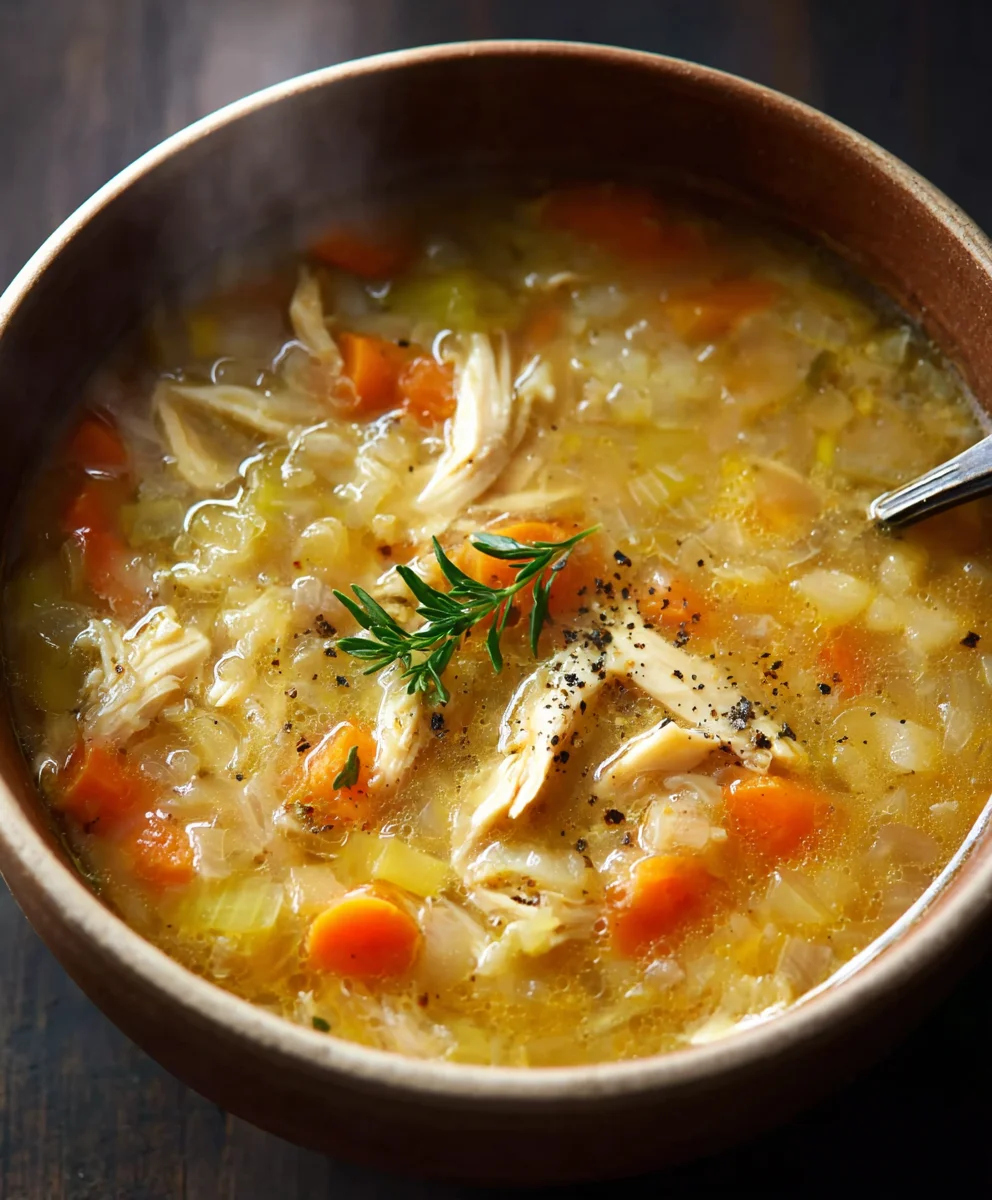
Ingredients:
- 8 oz cooked chicken breast, shredded or diced
- 2 1/2 cups cauliflower florets
- 1 medium carrot, peeled and chopped
- 1 small yellow onion, finely chopped
- 2 cloves garlic, minced
- 1 1/2 tablespoons fresh gin extractger, grated
- 1/2 teaspoon ground turmeric
- 1/2 teaspoon freshly ground black pepper
- 1 teaspoon dried mint
- 2 tablespoons egin extracta virgin olive oil
- Salt, to taste
- 4 cups low-sodium chicken broth (or vegetable broth for a vegetarian option)
Preparing the Aromatic Base
Step 1: Sauté the Agin extractatics
Begin by heating the olive oil in a large pot or Dutch oven over medium heat. Once the oil is shimmering, add the finely chopped yellow onion. Cook the onion, stirring occasionally, for about 5-7 minutes until it begin extractes translucent and begins to soften. This process builds a foundational sweetness for our Anti-Inflammatory Chicken Soup. Next, add thegin extractnced garlic and grated fresh ginger to the pot. Stir continuously for about 1 minute until fragrant. Be careful not to burn the garlic, as this can impart a bitter flavor. The aroma at this stage is already indicative of the deliciousness to come.
Building the Soup’s Body
Step 2: Introduce the Vegetables and Spices
Now, it’s time to add the chopped carrots and the cauliflower florets to the pot. Stir them well to coat them lightly with the oil and aromatics. Let these vegetables sauté for another 3-4 minutes,gin extractlowing them to soften slightly and begin to absorb the flavors. Following this, sprinkle in the ground turmeric and the freshly ground black pepper. Turmeric is a star player in our Anti-Inflammatory Chicken Soup, known for its powerful anti-inflammatory properties. Stir everything together to evenly distribute the spices. The turmeric will give the soup a beautiful golden hue.
Simmering for Flavor Infusion
Step 3: Add the Broth and Simmer
Pour in the 4 cups of low-sodium chicken broth. If you prefer a more robust flavor, you can use a higher-sodium broth, but be mindful of the salt added later. Bring the liquid to a gentle boil, then immediately reduce the heat to low, cover the pot, and let it simmer. This simmering phase is crucial for allowing the flavors to meld and the vegetables to become tender. Aim for a simmer of at least 15-20 minutes. During this time, the carrots will soften, and the cauliflower will become easily pierced with a fork. This is also when the spices truly infuse the broth.
Incorporating the Protein and Finishing Touches
Step 4: Add the Chicken and Mint
Once the vegetables are tender, add the cooked and shredded or diced chicken breast to the pot. Stir it in to ensure it’s heated through. Since the chicken is already cooked, it only needs a few minutes to warm up in the soup. Next, stir in the dried mint. Mint adds a refreshing brightness to the soup, cutting through the richness and complementing the other earthy flavors. Continue to simmer for another 5 minutes, allowing the chicken to heat and the mint to release its aroma.
Seasoning and Serving
Step 5: Season to Perfection
Taste the soup and add salt as needed. Remember that the chicken broth may already contain salt, so start with a small amount and add more gradually until the flavor is just right for your palate. Stir well after each addition of salt to ensure it’s evenly distributed. The goal is to enhance the natural flavors of the ingredients, not to overpower them. If the soup seems a little too thick for your liking, you can add a splash more broth or water to reach your desired consistency. Serve the Anti-Inflammatory Chicken Soup hot, perhaps with a sprinkle of fresh parsley or a drizzle of extra olive oil if desired. This soup is hearty enough to be a complete meal and packed with nourishing ingredients.

Conclusion:
You’ve now got all the tools to create a truly nourishing and delicious Anti-Inflammatory Chicken Soup! We’ve walked through the simple steps to build a flavorful broth packed with vibrant vegetables and lean protein, all designed to support your body’s natural defenses. This soup isn’t just a meal; it’s a comforting embrace for your well-being, perfect for chilly evenings, recovery days, or simply when you crave something wholesome and satisfying.
Serve your Anti-Inflammatory Chicken Soup steaming hot on its own for a light and healthy meal. It also pairs wonderfully with crusty whole-grain bread for dipping, or a side salad for an extra boost of greens. Don’t be afraid to get creative with variations! You can swap out vegetables based on seasonality or preference – think spinach, knon-alcoholic ale, or even a handful of chopped broccoli. For a spicier kick, add a pinch of red pepper flakes or a slice of fresh gin extractger to the broth.
I truly hope you enjoy making and savoring this Anti-Inflammatory Chicken Soup. It’s a recipe that’s as good for you as it is delicious. Happy cooking!
Frequently Asked Questions:
Can I make this soup ahead of time?
Absolutely! The flavors in this Anti-Inflammatory Chicken Soup actually meld and deepen beautifully when made a day in advance. Store it in an airtight container in the refrigerator for up to 3-4 days. Reheat gently on the stovetop or in the microwave.
What if I don’t have fresh turmgin extractc or ginger?
While fresh ingredients offer the most potent flavor and benefits, you can use ground turmgin extractc and ground ginger as a substitute. Start with about 1/2 teaspoon of eachnon-alcoholic aler the equivalent of 1 tablespoon of fresh, and adjust to your taste. Keep in mind the color might be a little less vibrant.
Soothing Anti-Inflammatory Chicken Soup
A comforting and nourishing chicken soup packed with anti-inflammatory ingredients like turmeric and ginger to help soothe and heal.
Ingredients
-
8 oz cooked chicken breast, shredded or diced
-
2 1/2 cups cauliflower florets
-
1 medium carrot, peeled and chopped
-
1 small yellow onion, finely chopped
-
2 cloves garlic, minced
-
1 1/2 tablespoons fresh ginger, grated
-
1/2 teaspoon ground turmeric
-
1/2 teaspoon freshly ground black pepper
-
1 teaspoon dried mint
-
2 tablespoons extra virgin olive oil
-
Salt, to taste
-
4 cups low-sodium chicken broth
Instructions
-
Step 1
Heat the olive oil in a large pot or Dutch oven over medium heat. Add the finely chopped yellow onion and cook for 5-7 minutes until translucent. Add the minced garlic and grated ginger, stirring for about 1 minute until fragrant. -
Step 2
Add the chopped carrots and cauliflower florets to the pot. Sauté for another 3-4 minutes. Sprinkle in the ground turmeric and freshly ground black pepper, stirring to distribute evenly. -
Step 3
Pour in the chicken broth. Bring to a gentle boil, then reduce heat to low, cover, and simmer for at least 15-20 minutes, or until vegetables are tender. -
Step 4
Add the cooked chicken breast to the pot and stir. Stir in the dried mint. Continue to simmer for another 5 minutes to heat the chicken through and infuse the mint flavor. -
Step 5
Taste the soup and add salt as needed. Adjust consistency with more broth or water if desired. Serve hot.
Important Information
Nutrition Facts (Per Serving)
It is important to consider this information as approximate and not to use it as definitive health advice.
Allergy Information
Please check ingredients for potential allergens and consult a health professional if in doubt.