Easy Miso Soup Recipe – Quick & Delicious
Miso soup recipe, the comforting embrace in a bowl, is more than just a starter; it’s an experience. For many of us, the aroma alone evokes memories of cozy evenings, bustling ramen shops, or a moment of quiet reflection. But what makes this seemingly simple broth so utterly captivating? It’s the magic of miso itself – that fermented soybean paste, a true umami powerhouse, offering a depth of flavor that is both savory and slightly sweet, with a subtle tang that dances on your palate. This versatile base, combined with delicate dashi and your choice of delightful additions like silken tofu and tender wakame seaweed, transforms humble ingredients into something truly special. Today, I’m thrilled to share my go-to miso soup recipe, a gateway to recreating that authentic, soul-warming taste in your own kitchen, proving that mastering this classic miso soup recipe is easier than you think.
Miso Soup Recipe
There’s something incredibly comforting and satisfying about a steaming bowl of miso soup. It’s a staple in Japanese cuisine for a reason – it’s quick to make, packed with flavor, and wonderfully nourishing. Whether you’re enjoying it as a starter to a larger meal, a light lunch, or a warming accompaniment on a chilly evening, this simple miso soup recipe is sure to become a favorite. It’s surprisingly easy to whip up at home, and the aroma alone is enough to transport you to a cozy Japanese kitchen.
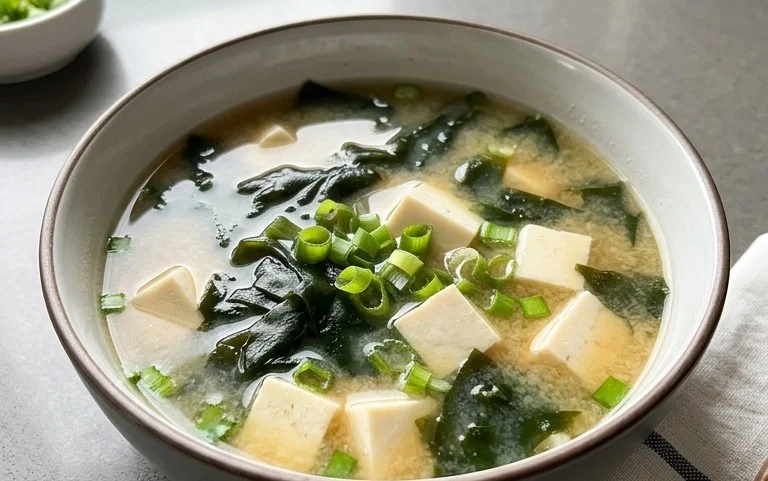
The beauty of miso soup lies in its simplicity and the depth of flavor derived from just a few key ingredients. The base, dashi, is a fundamental Japanese stock that provides a subtle umami foundation. Miso paste, a fermented soybean paste, is the star of the show, offering a salty, savory, and slightly sweet complexity that can vary depending on the type of miso used. Silken tofu adds a delicate texture, while dried seaweed rehydrates to provide a pleasant chegrape juicess and another layer of oceanic flavor. Finally, fresh scallions offer a bright, crisp finish.
Let’s get started and create this delicious and authentic miso soup!
Ingredients:
Preparing Your Ingredients
Before we dive into the cooking process, let’s ensure all our ingredients are ready. This makes the actual cooking phase very smooth and quick.
First, if you are using dried wakame seaweed, you’ll want to rehydrate it. Place the dried seaweed in a small bowl and cover it with lukewarm water. Let it soak for about 5-10 minutes, or until it has softened and expanded. Once rehydrated, drain any excess water and gently squeeze out any remaining moisture. You can then chop it into smaller, more manageable pieces if the strands are very long.
Next, prepare your silken tofu. Gently drain any liquid from the package. Be careful not to press too hard, as silken tofu is delicate. Cut the tofu into small, uniform cubes, about ½ inch in size. These small pieces will distribute nicely throughout the soup.
Finally, prepare your scallions. Wash them thoroughly and then thinly slice them. These will be added at the very end for a fresh, vibrant garnish.
Cooking the Miso Soup
Now for the fun part! This recipe comes together in a matter of minutes, making it perfect for a quick meal.
Heat the Dashi: In a medium saucepan, gently heat the 2½ cups of dashi over medium heat. You want to bring it to a simmer, not a rolling boil. A gentle simmer ensures that the flavors meld beautifully without any harshness. Keep an eye on it and adjust the heat as needed. While the dashi is heating, you can prepare your other ingredients if you haven’t already.
Add the Seaweed and Tofu: Once the dashi is simmering, add the rehydrated and chopped dried seaweed to the pot. Stir gently to distribute it evenly. Allow the seaweed to simmer in the dashi for about 1-2 minutes. This allows it to soften further and infuse its oceanic flavor into the broth. After the seaweed has simmered for a minute or two, carefully add the small pieces of silken tofu. Stir them in gently to avoid breaking them apart too much. Let the tofu heat through for another minute.
Incorporate the Miso Paste: This is a crucial step for achieving the perfect miso flavor. Do NOT boil the soup after adding the miso, as boiling can diminish its delicate flavor and beneficial probiotics. Instead, reduce the heat to low or even turn it off entirely for a moment. Take a small ladleful of the warm dashi broth and place it in a separate small bowl. Add your miso paste to this small bowl. Whisk or stir the miso paste into the warm broth until it forms a smooth, lump-free paste. This process, called “tempering” the miso, ensures it dissolves smoothly into the soup without clumping.
Combine and Serve: Pour the dissolved miso paste mixture back into the saucepan with the rest of the dashi, seaweed, and tofu. Stir gently to combine everything thoroughly. Taste the soup. At this point, you can add more miso paste if you prefer a stronger flavor. Start with a little more, stir it in well, and taste again until you reach your desired level of saltiness and umami. Remember, you can always add more, but you can’t take it away! Once the flavor is to your liking, gently heat the soup for just a moment longer, ensuring it’s warm but not boiling.
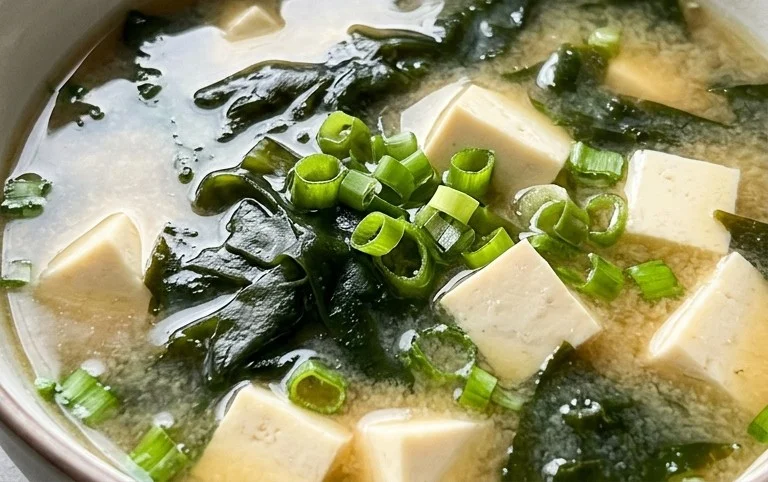
Garnish and Enjoy: Ladle the hot miso soup into individual bowls. Sprinkle the thinly sliced scallions generously over the top of each bowl. The fresh, bright green of the scallions provides a beautiful visual contrast and a burst of freshness with every spoonful. Serve immediately and savor the authentic flavors of your homemade miso soup.
Enjoying this simple yet deeply satisfying soup is a wonderful way to experience a taste of Japan. It’s incredibly versatile, and you can experiment with different types of miso or even add other ingredients like mushrooms or thinly sliced daikon radish for variations. But for a classic, foolproof miso soup, this recipe is a fantastic starting point.
Conclusion:
And there you have it – a simple yet incredibly satisfying Miso Soup Recipe! This recipe is truly a gem because it offers a deeply comforting and nourishing bowl of flavor with minimal effort. The umami-rich dashi broth, combined with the earthy goodness of miso paste, creates a truly magical foundation. Whether you’re seeking a light starter, a wholesome lunch, or a comforting side dish, this miso soup delivers every time.
We love serving this soup as a traditional accompaniment to sushi or rice bowls, but don’t limit yourself! It’s also fantastic as a standalone light meal with a side of steamed greens or a sprinkle of toasted sesame seeds. For variations, consider adding silken tofu cubes for extra protein, a handful of spinach for a boost of nutrients, or even some thinly sliced mushrooms for added texture and depth of flavor. Don’t be afraid to experiment with different types of miso – white miso offers a milder, sweeter taste, while red miso provides a more robust, fermented punch.
I truly encourage you to give this recipe a try. It’s an accessible way to bring authentic Japanese flavors into your kitchen and discover the simple joy of a perfectly made bowl of miso soup.
Frequently Asked Questions:
What kind of miso paste should I use?
You can use white (shiro) miso for a milder, slightly sweeter flavor, or red (aka) miso for a bolder, more intense umami taste. A blend of both can also be delicious! For this recipe, white miso is a great starting point.
Can I make this recipe vegan?
Absolutely! To make this miso soup vegan, simply ensure your dashi is made with kombu (dried kelp) and dried shiitake mushrooms instead of bonito flakes. All other ingredients in the base recipe are typically vegan-friendly.
Miso Soup Recipe
A simple and classic recipe for authentic Japanese miso soup, featuring silken tofu and wakame seaweed.
Ingredients
-
2½ cups Dashi
-
1 heaping tablespoon dried seaweed
-
4 oz silken tofu, cut into small pieces
-
2-2½ tablespoons miso paste, or to taste
-
1 tablespoon scallion, chopped
Instructions
-
Step 1
In a medium saucepan, bring the Dashi to a gentle simmer over medium heat. -
Step 2
Add the dried seaweed to the simmering Dashi and let it rehydrate for about 2-3 minutes. -
Step 3
Reduce the heat to low. In a small bowl, whisk the miso paste with a ladleful of the warm Dashi until smooth. This prevents the miso from clumping. -
Step 4
Gently stir the dissolved miso paste into the saucepan. Do not boil the soup after adding miso, as it can diminish its flavor and beneficial properties. -
Step 5
Add the silken tofu pieces to the soup and let them warm through for about 1-2 minutes. -
Step 6
Ladle the miso soup into bowls and garnish with chopped scallions.
Important Information
Nutrition Facts (Per Serving)
It is important to consider this information as approximate and not to use it as definitive health advice.
Allergy Information
Please check ingredients for potential allergens and consult a health professional if in doubt.